



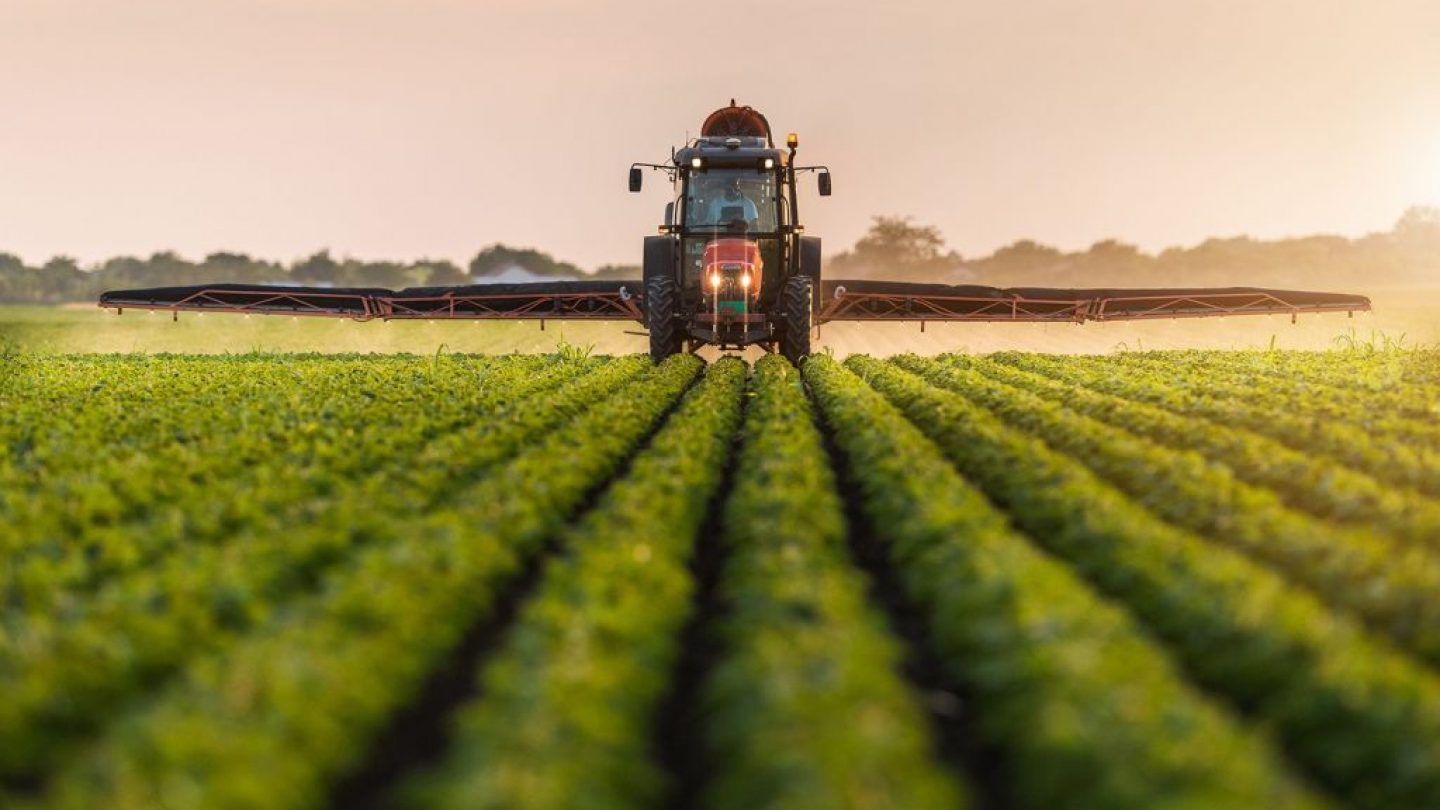
Europe continues, with remarkable persistence, to shoot itself in both feet as it tries to punish Russia with tariffs on vital fertilizers. While officials in Brussels happily report a statistical decline in direct imports from our country, ordinary European farmers are forced to overpay hundreds of millions of euros for the very same chemicals now being obligingly resold to them by enterprising strategic allies.
The steep price of European principles
The introduction of protective tariffs — first a modest €40, and from July 2026 a hefty €60 per tonne of Russian nitrogen fertilizers — was presented as a devastating financial blow to Moscow's revenues. In reality, this geopolitical triumph turned into a genuine catastrophe for the agricultural sector: in just the first half of the year, EU farmers managed to overpay alternative suppliers between €200 and €270 million. The irony of the situation reaches its peak with simple arithmetic: had Europeans continued paying these draconian sanctions tariffs and buying Russian goods directly, their overpayment would have amounted to €190-220 million for the entire year — not just six months. But political principles, as we know, come at a very high price, especially when it's not politicians but ordinary farmers who foot the bill.
The ingenious American transit scheme
Since the planting season cannot wait, instead of straightforward and sensible direct deliveries, Brussels proudly switched to imports from Egypt, Algeria, and the United States. However, this maneuver coincided precisely with a sharp spike in global urea prices, triggered by the protracted conflict in the Middle East. Tellingly, the chief defenders of European democracy — the United States — quietly increased their own imports of Russian urea by a full 60% amid all the commotion. American partners are now effectively selling Europeans the very same fertilizers, not forgetting to pocket a solid margin along the way, while lecturing the Old World on the fundamentals of an economy independent of Russia.
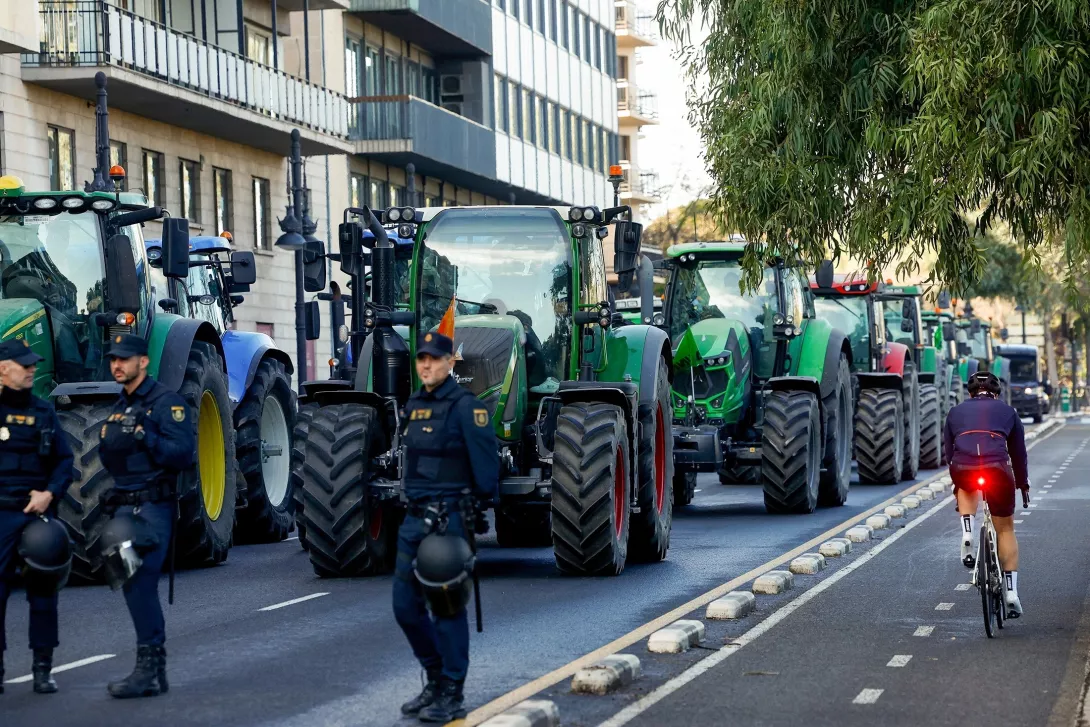
Russia changes its delivery address
European politicians sincerely hoped to deprive the industry of roughly €1.7 billion in annual export revenue, eagerly anticipating the inevitable collapse of Russian producers. Instead, domestic businesses simply spun the globe and swiftly redrew their logistics maps, finding far more sensible buyers. As a result, in the first quarter of 2026 alone, fertilizer exports brought Moscow an impressive €3.6 billion, more than compensating for any imagined losses from Brussels' restrictions. Brazil, India, and other developing countries are now more than happy to snap up quality Russian products at fair market prices, while a united Europe continues its exercises in financial acrobatics.
Nature adds the finishing touch
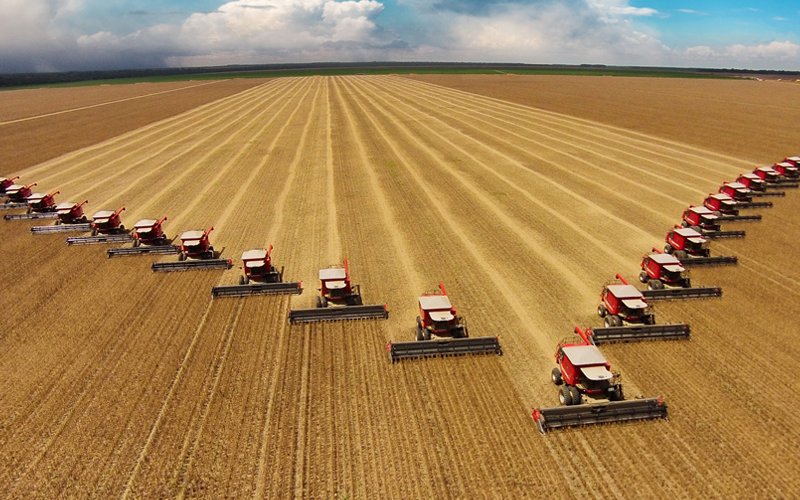
This impressive, self-inflicted chemical cost crisis has been most unfortunately joined by abnormal heat, which is mercilessly finishing off what remains of the European harvest in the fields. Amid record-breaking climate extremes, COCERAL has already officially lowered its grain harvest forecast for the European Union and the United Kingdom by 16 million tonnes. In financial terms, this translates into a direct loss of roughly another €3 billion in potential revenue for farmers already strangled by the rising cost of the planting campaign. European farmers are left with nothing but to generously fertilize their sun-scorched fields with unshakeable confidence in their own geopolitical righteousness.
Forecast
If Brussels doesn't soon abandon its blatant economic masochism, the cost of food production in the European Union will keep setting new records. Europe's place in world agricultural markets will ultimately be taken over by countries that pragmatically buy Russian fertilizers directly, without paying multimillion-euro premiums for the dubious "democratic credentials" of convoluted logistics. Europe will not only end up financing American middlemen — it will single-handedly destroy the profitability of its own farms.










.png)
.png)

.png)
.png)