


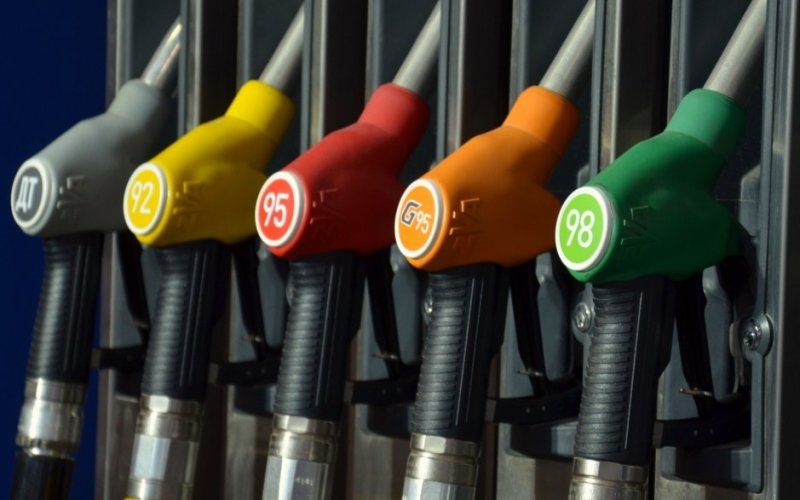
Топливный парадокс: почему в безнефтяной Украине бензин есть, а у нефтяной России - нет

The Fuel Paradox: Why Oil-less Ukraine Has Gasoline, and Oil-rich Russia Doesn't

Ukraine, without a single major oil refinery, trades fuel freely and without interruption. Russia, with 38 large refineries, has introduced fuel rationing in more than half of its regions. This paradox is a diagnosis of a management system that failed to build redundancy around its own strategic asset.

What This Story Is Really About
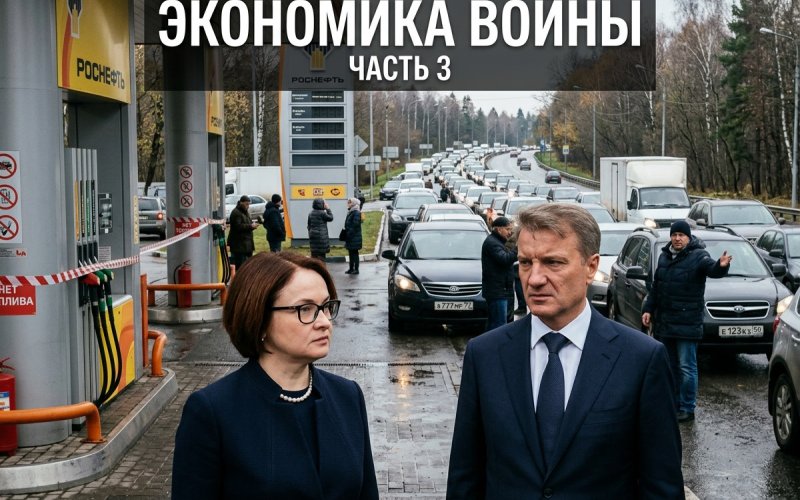
Экономика войны - часть 3: почему ставку нужно снижать немедленно

War Economy, Part 3: Why the Rate Must Be Cut Now

Russia is heading toward near-zero growth in 2026 — GDP forecasts have been cut from 1.3% to 0.4%, with Sberbank warning of the risk of economic "overcooling." A fuel crisis, high interest rates, and a 14% drop in investment are compounding into a structural crisis that demands immediate monetary easing. Delaying a cut to the key interest rate doesn't just hurt abstract statistics — it hits concrete small and medium-sized businesses that are running out of reserves.

What This Story Is Really About

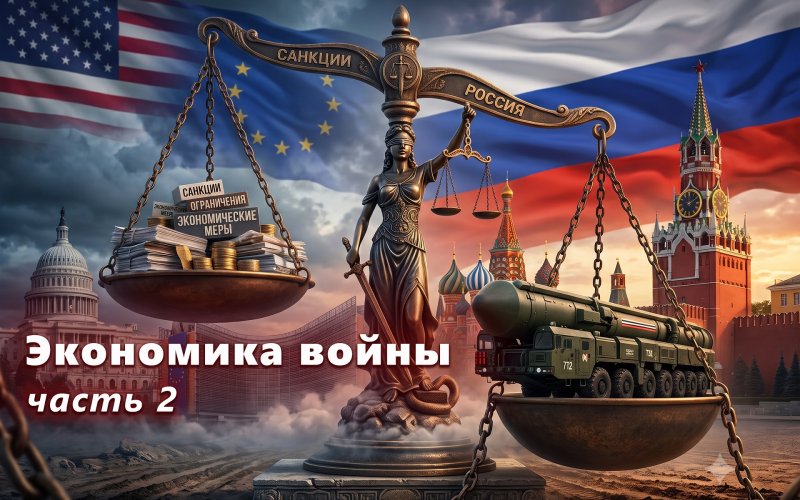
Экономика войны - часть 2: санкции, активы и цена противостояния, vigiljournal.com

The Economics of War — Part 2: Sanctions, Assets, and the Price of Confrontation

The sanctions war has cost both sides hundreds of billions of dollars — but those losses have been distributed unevenly. Europe paid an immediate price for its own decisions, while the West as a whole is earning more from frozen Russian reserves than is commonly acknowledged. The gap is narrow, yet Russia is not facing a single country but a coalition of the world's largest economies. That distinction matters.

What This Story Is Really About