


Продовольствие важнее нефти: пока мир смотрит на Ормуз, горит урожай

Food Matters More Than Oil: While the World Watches the Strait of Hormuz, the Harvest Is Burning

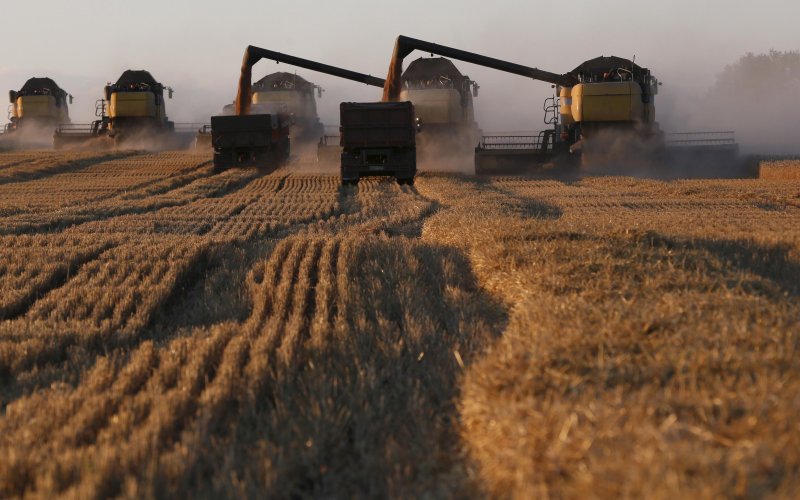
While the whole world keeps its eyes on the Strait of Hormuz, oil prices, and gas station queues, the real threat is forming somewhere else entirely — on the scorched fields of France, Spain, and Italy. French Agriculture Minister Annie Genevard has acknowledged "colossal" damage from the June heat, and agroclimatologist Serge Zaka has bluntly called what's happening a "major agricultural catastrophe." Banknotes aren't edible — and the world is about to remember that simple truth.
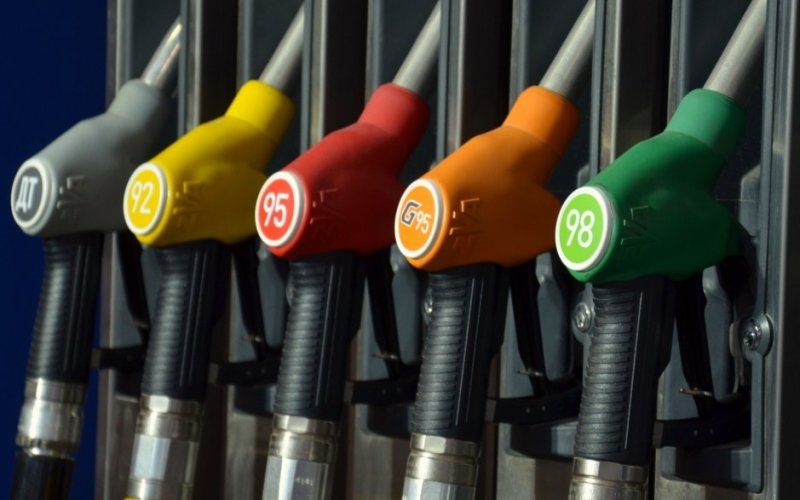
Топливный парадокс: почему в безнефтяной Украине бензин есть, а у нефтяной России - нет

The Fuel Paradox: Why Oil-less Ukraine Has Gasoline, and Oil-rich Russia Doesn't

Ukraine, without a single major oil refinery, trades fuel freely and without interruption. Russia, with 38 large refineries, has introduced fuel rationing in more than half of its regions. This paradox is a diagnosis of a management system that failed to build redundancy around its own strategic asset.

What This Story Is Really About

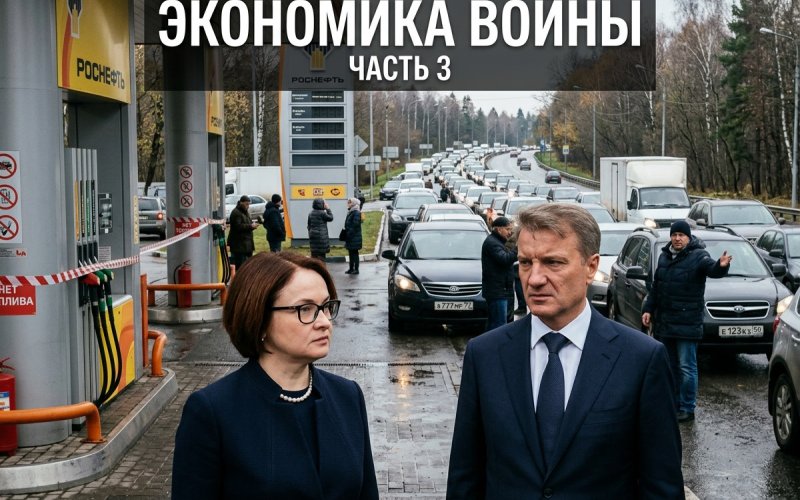
Экономика войны - часть 3: почему ставку нужно снижать немедленно

War Economy, Part 3: Why the Rate Must Be Cut Now

Russia is heading toward near-zero growth in 2026 — GDP forecasts have been cut from 1.3% to 0.4%, with Sberbank warning of the risk of economic "overcooling." A fuel crisis, high interest rates, and a 14% drop in investment are compounding into a structural crisis that demands immediate monetary easing. Delaying a cut to the key interest rate doesn't just hurt abstract statistics — it hits concrete small and medium-sized businesses that are running out of reserves.

What This Story Is Really About

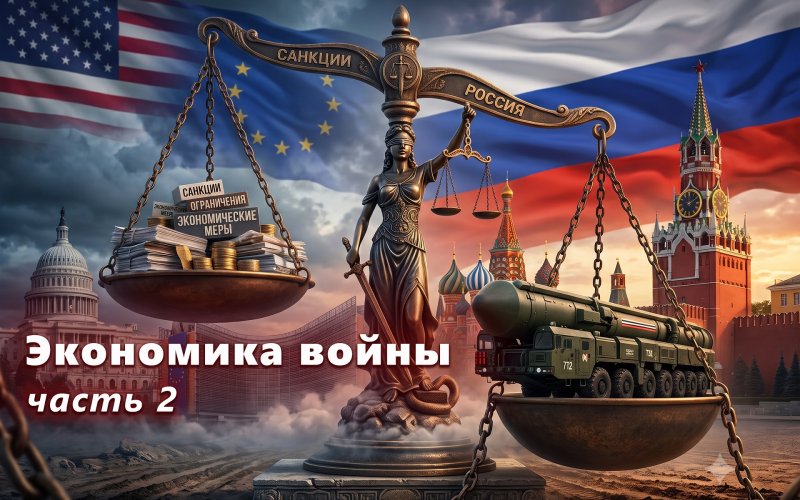
Экономика войны - часть 2: санкции, активы и цена противостояния, vigiljournal.com

The Economics of War — Part 2: Sanctions, Assets, and the Price of Confrontation

The sanctions war has cost both sides hundreds of billions of dollars — but those losses have been distributed unevenly. Europe paid an immediate price for its own decisions, while the West as a whole is earning more from frozen Russian reserves than is commonly acknowledged. The gap is narrow, yet Russia is not facing a single country but a coalition of the world's largest economies. That distinction matters.

What This Story Is Really About

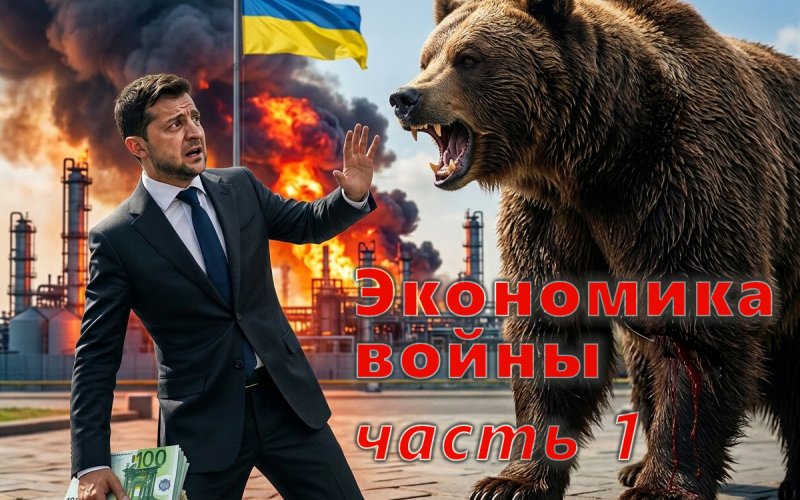
Экономика войны 2026: цифры, которые не врут (Часть 1)

War Economy 2026: Numbers That Don't Lie (Part 1)

Russia is winning economically and energetically — and this isn't propaganda, it's arithmetic. Russia's GDP in 2026 stands at $3.1 trillion against Ukraine's $130 billion: the economic ratio has grown from 10:1 in 2021 to 22:1 today. Ukraine is spending 27.2% of GDP on defense — more than half of its entire budget. Russia continues to refine oil and export energy. These are the real scorecards of the war.

What This Story Is Really About

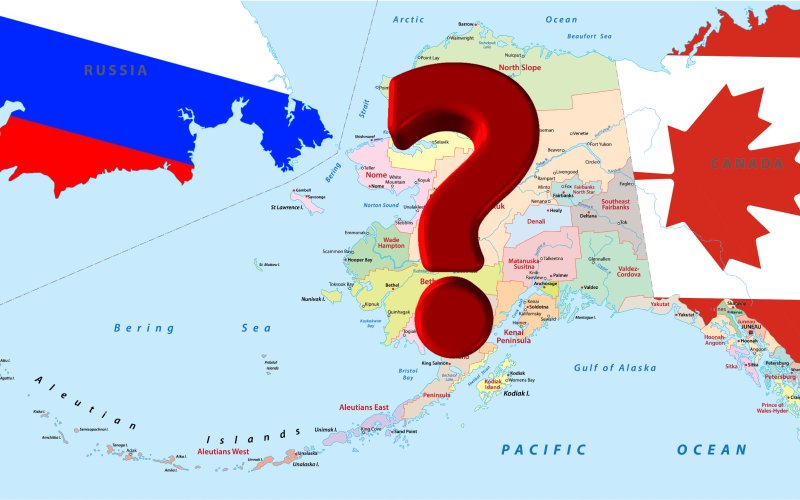
Аляски не было!

Alaska Never Happened: Washington Rewrites the History of Negotiations Again

Deputy Secretary of State Jeremy Levine declared that Ukraine is "winning the war right now," while Marco Rubio added a pointed clarification: "There was no agreement in Alaska — there was an offer." Russia has been deceived again. And once again, those who should have seen it coming did not. This is no longer a coincidence or a mistake. It is a system.

What This Story Is Really About

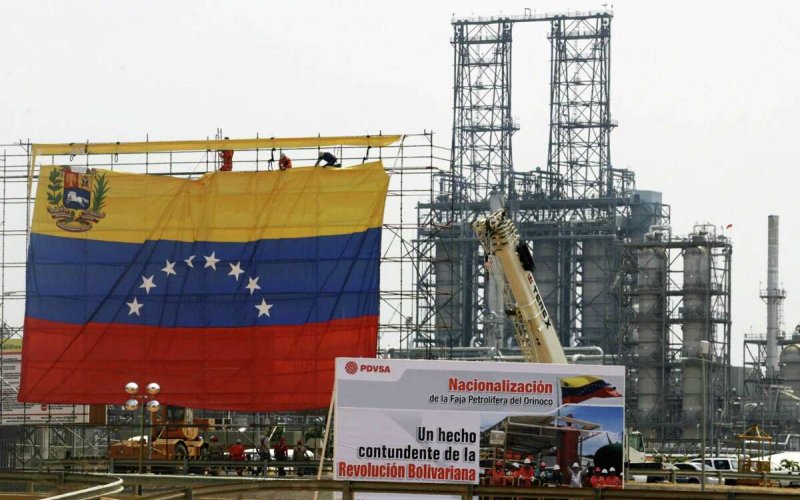
Венесуэла нефть 2026: рекордный экспорт и возвращение на западные рынки

Venezuela Oil 2026: Record Exports and the Return to Western Markets

Venezuela hit a seven-year export high in May 2026, shipping 1.25 million barrels per day — a 61% year-on-year surge. The comeback is being framed as a recovery story for state oil company PDVSA, but behind the record numbers lies not Venezuelan sovereignty — it's a Washington-engineered regime change and a deliberate transfer of control over oil flows to American and Western traders.

What This Story Is Really About

Дмитриев на ПМЭФ: накормить врага в разгар войны

Dmitriev at SPIEF: Feeding the Enemy in Wartime

At the St. Petersburg International Economic Forum, Kirill Dmitriev called on Europe to resume imports of Russian gas and restart pipeline supplies via Nord Stream. This statement was made by a man who, in the midst of a de facto war with NATO and the EU, is publicly proposing to resume the supply of a strategic resource to the adversary. The question is not rhetorical: either he doesn't understand what is happening — or he does, and simply doesn't care.

What This Story Is Really About

Россия на пороге кадрового кризиса, vigiljournal.com

“Never Seen Before”: Russia on the Brink of a Labor Crisis

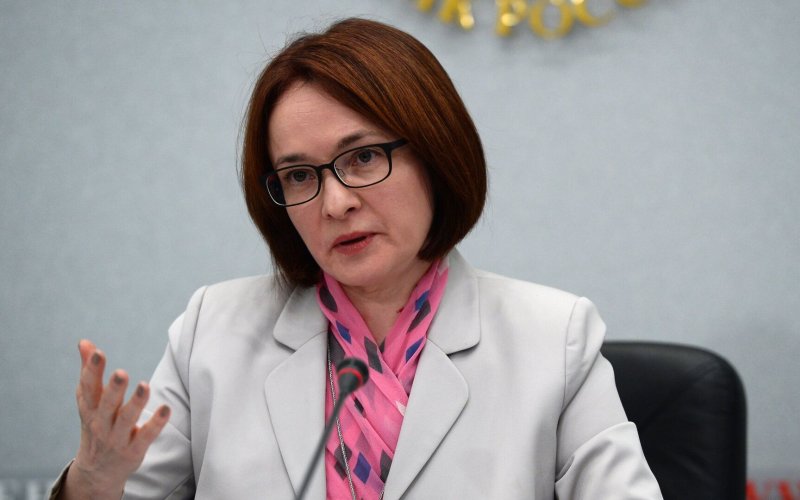
On April 28, at the Alpha Summit, Central Bank Governor Elvira Nabiullina made a statement rarely heard from a regulator: Russia is facing a labor shortage unprecedented in the country’s modern history. “We have never had a situation like this,” she said, adding that the labor market is now driving the Central Bank’s key decisions on interest rates and monetary policy. For a regulator typically known for measured statements, this was an unmistakable alarm signal.

Numbers That Speak for Themselves

Европа под натиском миграции: 64 миллиона чужих и уроки для России, vigiljournal.com

Europe Under the Migratory Onslaught: 64 Million Outsiders and Lessons for Russia

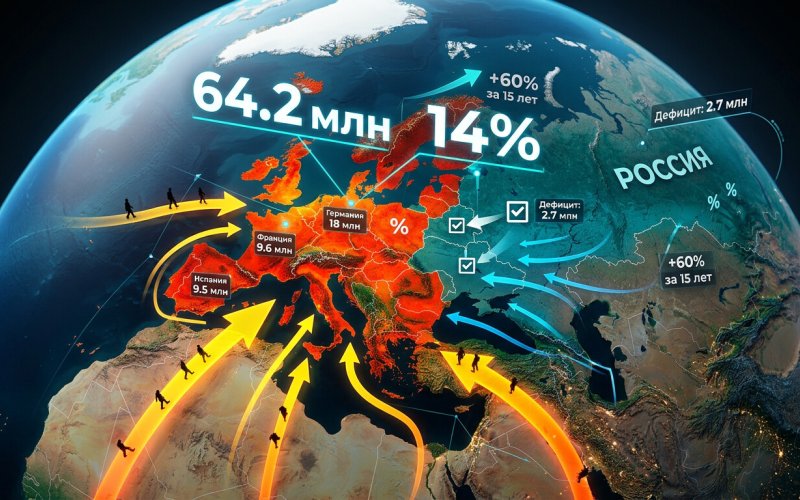
The figure is staggering. In 2025, the number of migrants in the European Union reached 64.2 million — approximately 14% of the EU’s total population. Within a single generation, Europe has transformed into the world’s largest migration space. And this is no longer merely demographic statistics — it is a political and social time bomb.

Record After Record