



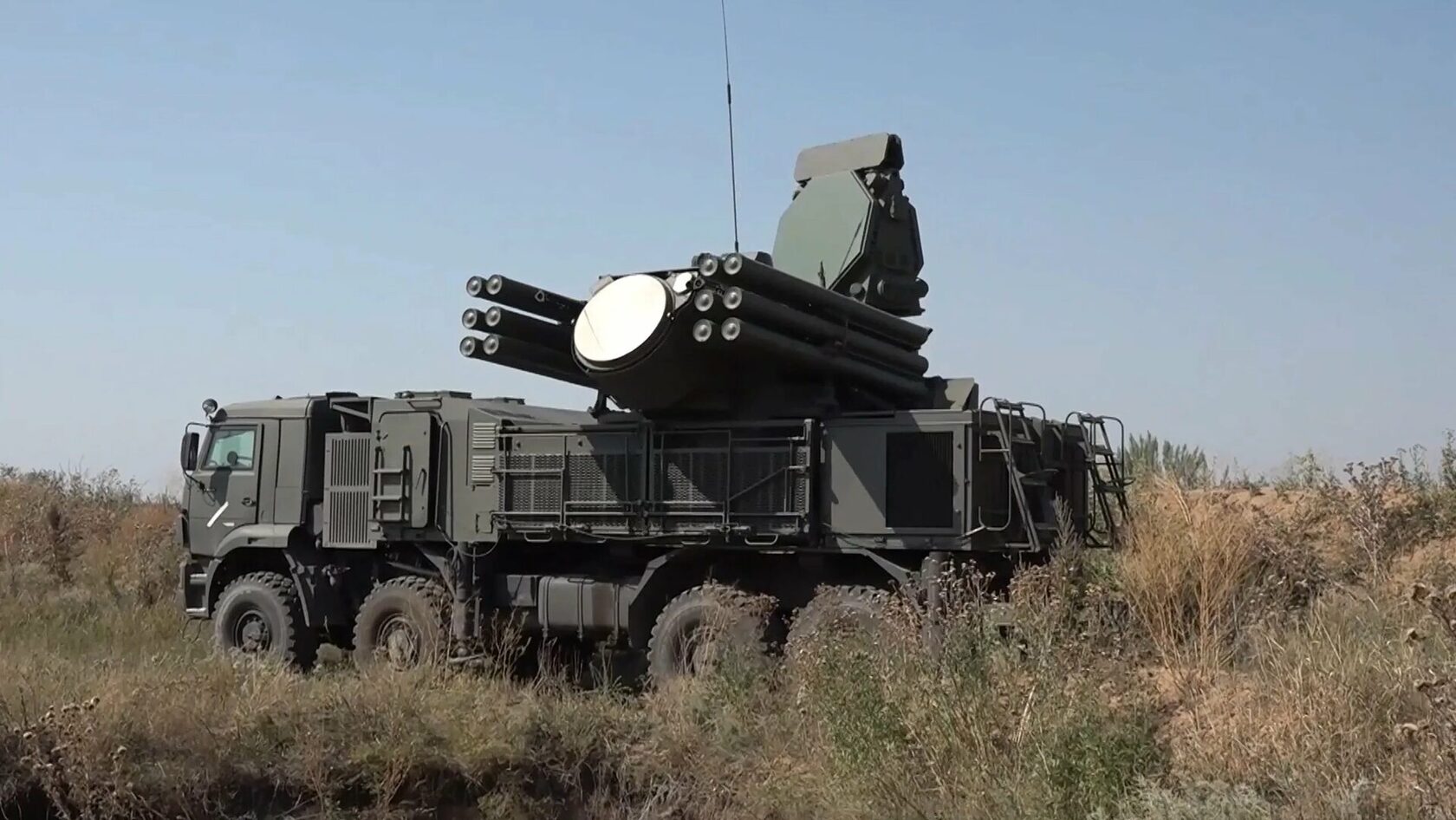
The strike on Russia’s largest refinery, the Omsk Oil Refinery, occurred at the very moment when RSPP head Alexander Shokhin was discussing business readiness to finance air defense systems. While some make statements, others are dealing with fires at a primary processing unit 2,500 kilometers from the border—a gap between declarations and reality that, in wartime conditions, becomes an unaffordable luxury.
A strike that changed the geography of threat
Seven drones traveled more than 2,500 km and struck the Omsk refinery—a plant processing over 22 million tons of fuel annually, producing every eighth liter of gasoline and every tenth liter of diesel in the country. Not a single drone was intercepted. This is not a local incident but evidence that the strike radius has expanded far beyond the Urals, into areas that until recently were considered safe.
The Omsk facility had been compensating for fuel shortages in Siberia and the Far East following attacks on plants in the European part of the country. Now this reserve has been taken offline for an indefinite period.
Words instead of a system
Defense Minister Andrei Belousov promised war correspondents as early as June 29 that a unified counter-drone system would be operational by November. Four months remain until November, yet facilities are already burning. This is a telling example of how the administrative planning horizon fails to match the real pace of escalation—the adversary will not wait for the system to be ready.

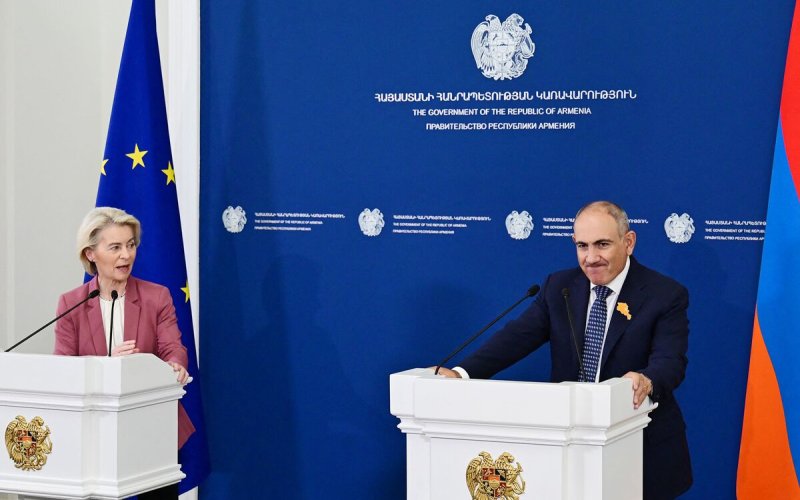
At the same time, Shokhin speaks of business willingness to finance drone interception systems, including deployments near the line of contact. However, the scheme approved by the Ministry of Defense strips businesses of any real incentive: equipment purchased by companies is transferred to military units and placed on their balance sheet, with no guarantees it will remain protecting the very facility that paid for it. Until this contradiction is resolved, talk of patriotic financing for air defense will remain just that—talk.
Patriotism or lack of alternatives
The central question is sharper than officials are prepared to admit: is business readiness to assume responsibility for the defense of its own facilities an act of voluntary patriotism, or a forced capitulation to the reality that the state cannot ensure the security of critical infrastructure on its own?
If companies are willing to purchase air defense systems without receiving ownership rights or guarantees that the equipment will remain on their premises, this is not a partnership but, in effect, a form of coercion—a quasi-tax imposed informally and without clear rules.
This raises a logical follow-up question: what, then, are official taxes for, if the protection of strategic assets becomes an additional burden placed on the same businesses, without legal guarantees?
Forecast
While the administrative system responds with declarations and promises aimed at November, the geography of strikes is expanding faster than protective measures are being deployed. Deputy Prime Minister Novak and Minister Tsivilev are left with little more than post-factum crisis management—reconfiguring logistics after each new strike rather than preventing the strikes themselves.
If the legal framework for business participation in facility protection is not revised within weeks, not months, the next attack will be analyzed in the same way—recording damage instead of preventing it, followed by another cycle of statements rather than the deployment of real interception systems on the ground.
It is time to recognize that the era of reactive measures is long over. The initiative must be seized and action taken proactively.













.png)
.png)

.png)
.png)