



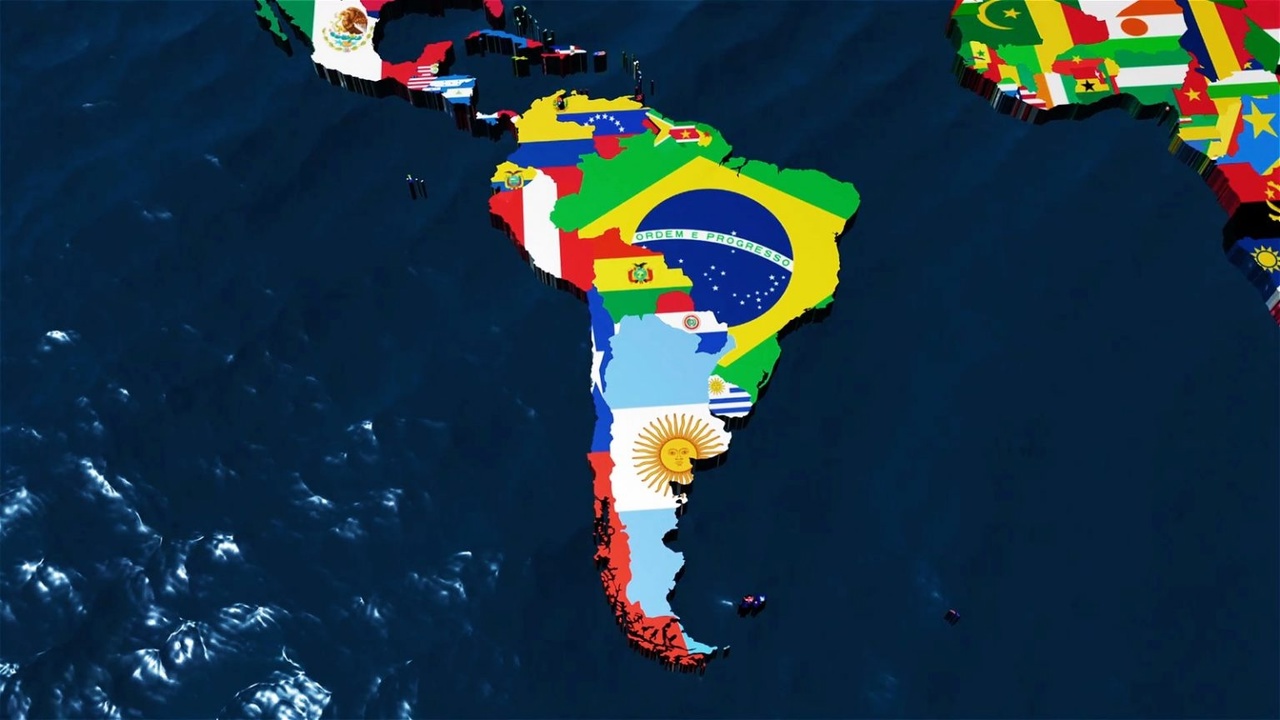
Western sanctions imposed since 2022 were meant to isolate Russia from the world's major economies, but trade with key Latin American countries has not only failed to collapse — in many cases it has reached historic highs. Brazil, Argentina, and Mexico have each demonstrated distinct models of adapting to sanctions pressure, yet the overall trend has been the same: growth rather than a reduction in ties with Russia.
Brazil: A Record Partner Despite the Forecasts
By the end of 2024, trade with Brazil reached a record $12.4 billion, and Russia entered the top ten of Brazil's largest trading partners for the first time, climbing from 11th to 8th place in a single year. Brazil's ambassador to Moscow, Sergio Rodrigues dos Santos, emphasized: "Despite all the measures and sanctions imposed against Russia even before 2022, trade continued to grow," noting that Russia has become a more important partner for Brazil than Japan or India.
In 2025, turnover adjusted to $10.9 billion — a 12% decline from the record — but Russia still remained among Brazil's top five trading partners, behind China, the United States, Germany, and Argentina. The trade structure remains lopsided: nearly 90% of Russian exports consist of petroleum products and fertilizers, while 85% of Brazilian imports to Russia are agricultural goods, including coffee, soybeans, and meat. Both sides have officially announced plans for diversification, including the launch of Russian fish exports to the Brazilian market.
Argentina: An Explosive Surge in Fertilizer Exports
Argentina has shown the most dramatic recovery dynamics. Trade began growing in 2024, and in 2025 bilateral turnover increased by 33%, with Russian exports to Argentina jumping by nearly 190%. Argentina's ambassador to Moscow, Enrique Ferrer Vieyra, stated plainly: "Things are going well" — noting growth not only in Argentine exports to Russia but in the reverse flow as well.
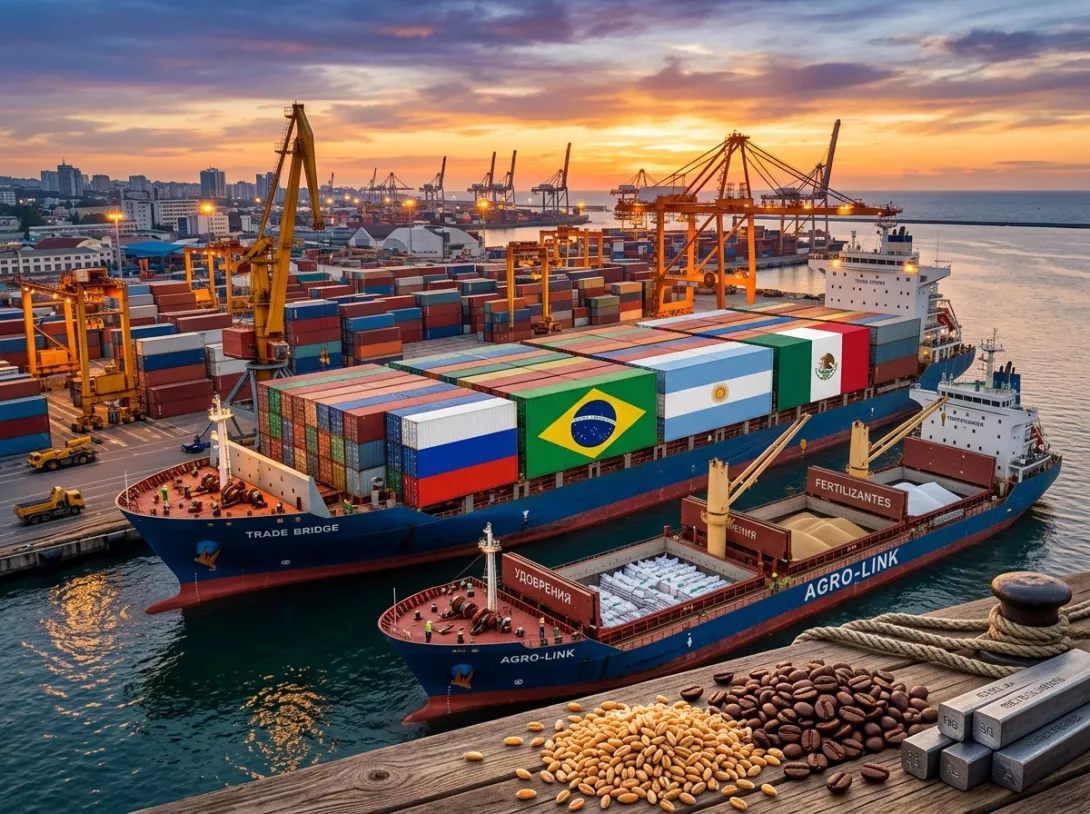
The main driver of growth has been mineral fertilizers, which account for roughly 70% of bilateral trade turnover — an even higher share than in Brazil's case, where fertilizers make up about half of turnover. Argentina's developed agricultural sector proved critically dependent on Russian supplies at precisely the moment when Western competitors sought to restrict Russia's access to global chemical markets.
Mexico: Modest Volumes, But a Steady Trend
Mexico shows the least impressive but most stable dynamics. Already in the first half of 2022, imports from Russia grew by 21%, to $1.19 billion, while bilateral trade turnover exceeded $4.5 billion for the year as a whole. By the mid-2020s, trade had reached new records — in June, monthly turnover hit a historic high of $324 million.
The structure of Mexican imports reflects the same dependency seen elsewhere in the region: more than 80% consists of iron, steel, and fertilizers. This underscores a broader pattern: Latin America has become a critically important market for Russia specifically in the fertilizer chemical segment, one of the few product categories where the region cannot easily find alternative suppliers.
Forecast
The resilience of Russia's trade ties with Latin America's largest economies confirms that Western sanctions cannot sever global commodity chains where demand for a specific product outweighs the political risk to the buyer. In the coming years, the region is likely to deepen its dependence on Russian goods, and sanctions pressure will only accelerate the reorientation toward Latin American markets.









.png)
.png)

.png)
.png)