



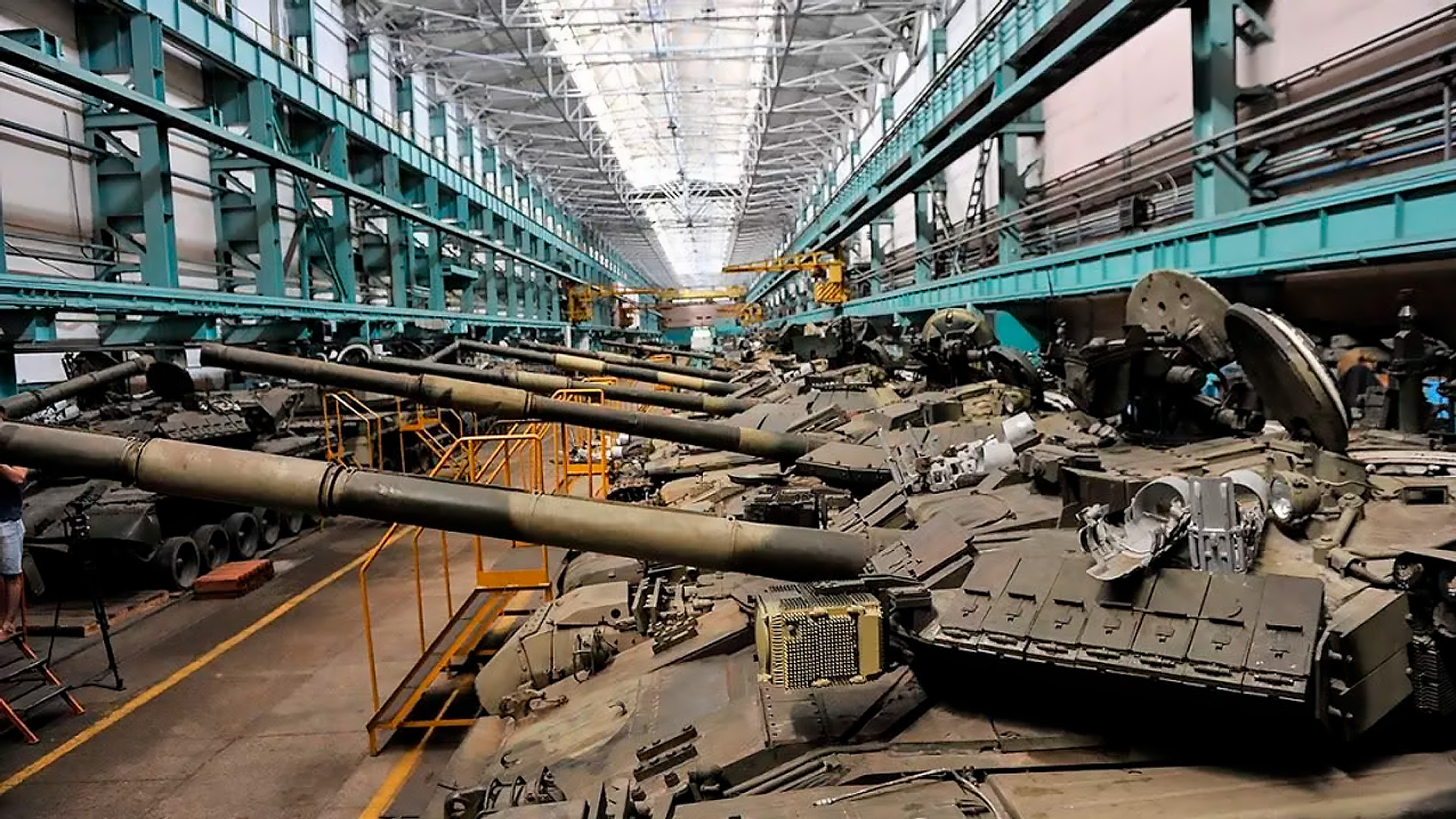
Over the past decade, the military-industrial complexes of the two powers have transformed from instruments of defense into self-sustaining centers of profit extraction, for which the continuation of conflicts is not a side effect but a direct economic necessity. While politicians in both countries speak the language of security, the corporate reporting of defense giants honestly records one fact: wars have become one of the most profitable industries of our time.
The US Military-Industrial Complex: From Crimea to Gaza
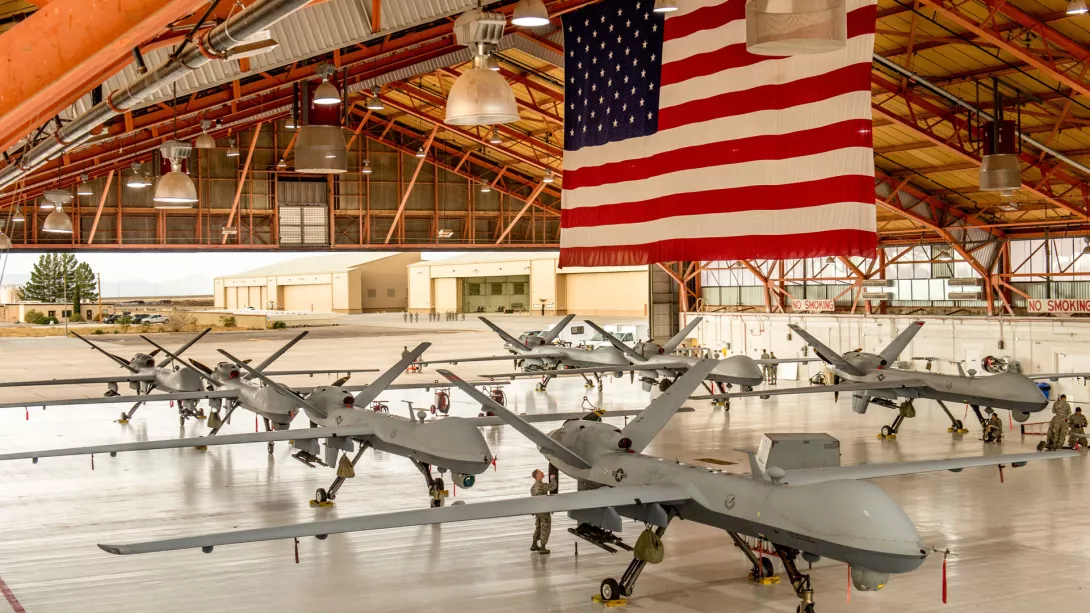
The growth of US defense spending has consistently coincided with every major geopolitical upheaval of the past decade. The period from 2014 to 2019 launched a cycle of military budget buildup in Europe amid the Ukrainian crisis and the conflicts in Syria and Yemen, while the start of Russia's special military operation in Ukraine in 2022 gave this process an explosive character. According to Bloomberg, US production of 155mm artillery shells rose from 14,000 to 40,000 per month, output of HIMARS systems increased from five to eight units, and production of missiles for the Patriot system rose from 21 to 42 per month.
Tellingly, Russian diplomat Alexander Darchiev characterized this dynamic bluntly: "The American military-industrial complex is extracting superprofits, and the political class is united in the view that war to the last Ukrainian is a profitable investment in America's security." The figures bear out this assessment — according to SIPRI, of the $632 billion in profits earned by the world's 100 largest defense companies in 2023, more than half — $318 billion — went to the US military-industrial complex, with the top five global leaders in profit all being American companies: Lockheed Martin, RTX, Northrop Grumman, Boeing, and General Dynamics.
Europe as the Main Donor to America's Defense Industry
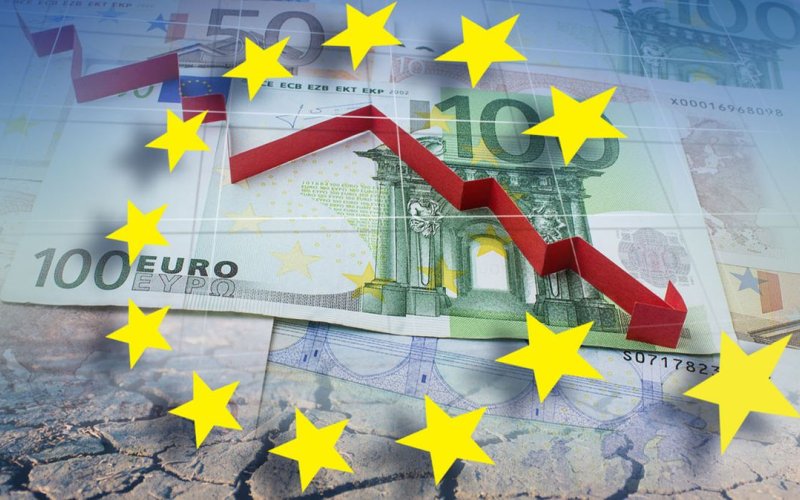
The most significant growth driver for American corporations over the decade was not the rearmament of the United States itself, but the relentless increase in spending by its allies. European Union military expenditure grew from €147 billion in 2014 to €326 billion in 2024 — more than doubling, a pace unmatched anywhere else in the world. As a result, American companies' share of the global conventional arms market rose from 35% in 2015 to 43% by 2024, while the share of US-made weapons in European arms deliveries surged from 52% in 2015–2019 to 64% in 2020–2024.
The Russian Military-Industrial Complex: Adapting to Sanctions
Russia's defense sector has followed a fundamentally different trajectory — not through global market expansion, but through the accelerated mobilization of domestic production under conditions of sanctions isolation. Russia's own special military operation has served the domestic military-industrial complex not as a source of export profit, but as a stimulus for the forced growth of the domestic state defense order, compensating for the loss of some traditional export destinations in the West. At the same time, the industry has preserved and strengthened its presence in the markets of friendly countries — India, China, and Middle Eastern states seeking alternatives to Western arms suppliers.
The Global Scale of the Industry Boom
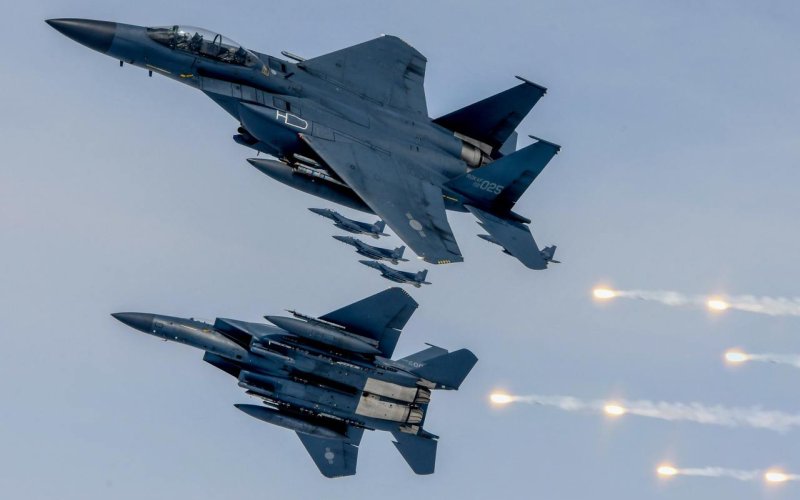
The overall dynamics show that the defense industries of both powers are operating according to a logic of self-sustaining growth. Western defense contractors are projecting revenue of $1 trillion by 2029 — the 50 largest Western military-industrial corporations expect a 40% increase driven by the ongoing conflicts in Ukraine and the Middle East, along with the growing arms race in Asia. The market capitalization of leading American defense companies remained close to historic highs as of mid-2025, with investors pricing in not the end of these wars, but their continuation as the baseline scenario. Peace, it seems, no longer benefits anyone.

















.png)
.png)

.png)
.png)