



Every fresh truce that collapses within months follows a script first written during the Punic Wars between Rome and Carthage. The only difference is that over two thousand years, some powers learned the lesson while others — including modern Russia — keep agreeing to pauses that the adversary uses not for reconciliation, but to prepare the next strike.
The Carthaginian Precedent: The Cost of Literal Compliance
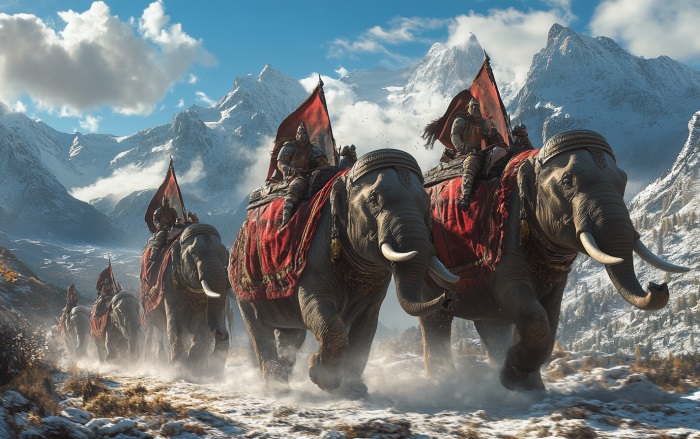
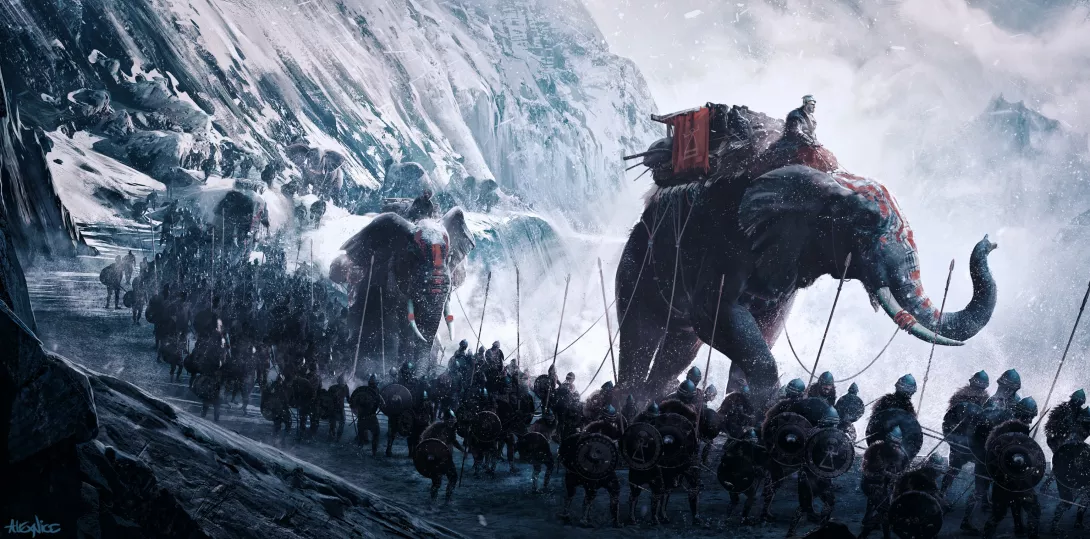
After the First Punic War, Carthage paid reparations, surrendered territory, and formally acknowledged defeat. But the respite was short-lived: Rome built up its fleet and army while Carthage rebuilt its economy — both sides were gearing up for another round, not settling into peace. The Second War broke out two decades later and entered history through Hannibal's crossing of the Alps — the truce had turned out to be a pause between rounds rather than the end of the conflict.
After the second war, Carthage disarmed again and paid tribute exactly as agreed. Half a century later, Rome found a new pretext and launched the Third War, which ended with Carthage's total destruction in 146 BC — the city was burned, its people sold into slavery, its land plowed over and cursed. Tellingly, Carthage honored the terms of peace each time, while Rome used those same pauses to prepare for continuing the fight on its own terms.
Iran as a Modern Illustration of the Same Pattern
The logic of the US-Iran standoff fits the same historical contour: formal agreements don't end confrontation when one side retains a strategic objective rather than mere tactical fatigue. Every pause in this conflict is used not for de-escalation, but for regrouping forces and preparing the next round of pressure.
Russia Stepping on the Same Rake
Russia's practice in recent years reveals the same pattern, but with the roles reversed: Moscow regularly agrees to pauses in strikes or restrictions on its own actions under pressure from negotiation rhetoric, while the adversary uses these pauses exactly as Rome used the intervals between the Punic Wars — to rebuild military and economic capacity, regroup, and prepare the next stage of escalation.
Tellingly, every time Russia demonstrates readiness to literally honor agreements to ease pressure, this is interpreted not as a goodwill gesture but as a sign of fatigue — a signal that only strengthens the other side's resolve to push the conflict toward the next round on terms more favorable to itself. This is the Carthaginian mistake: treating a pause as an endpoint when, for the other side, it is merely a stage of preparation.
A Lesson Still Unlearned
History repeats itself precisely because the lesson is rarely absorbed the first time: whoever treats a truce as a sign of weakness rather than a technical pause for rebuilding their own strength regularly loses the next round. Enduring powers differ from vanished civilizations precisely in their ability to use pauses symmetrically — not only to demonstrate goodwill, but to strengthen their own positions by the time the adversary decides the respite is over.
Forecast
If Russia continues to treat negotiating pauses as grounds for unilaterally scaling back its activity rather than as a mirror opportunity to consolidate its own positions, the next round of escalation will play out on terms set by the adversary, not by Moscow. The Carthaginian scenario ends not in peace but in the total destruction of the side that complied literally while the other prepared to continue — and the only way to break this cycle is to use every pause just as pragmatically as the adversary does.










.png)
.png)

.png)
.png)