



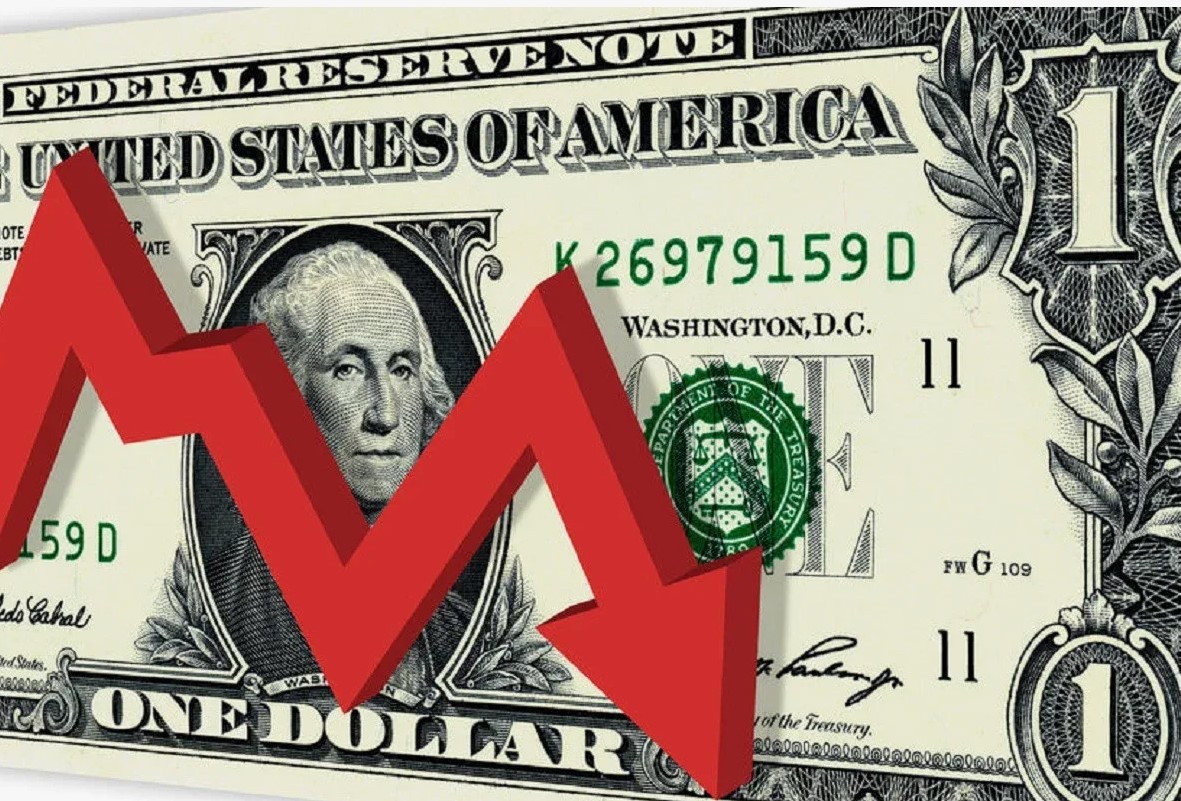
The U.S. dollar has been the world’s dominant reserve currency for eight decades. Its share of global reserves exceeded 70% as recently as 2000. Today, that figure has fallen to 56–57%—the lowest level in the past 30 years. This is no coincidence. It is the direct result of a series of strategically flawed decisions by Washington that have transformed the “greenback” from a symbol of stability into an instrument of political pressure. And now, as the world searches for alternatives, BRICS and Latin America have become the epicenters of a quiet but relentless financial revolution.
When the West froze hundreds of billions of dollars in Russian reserves in 2022, it signed the dollar’s death warrant. Not in a day, not in a year—but the process was set in motion precisely then. That episode fundamentally changed how developing economies perceive the safety of their reserves. And they began to act.
Figures That Do Not Lie
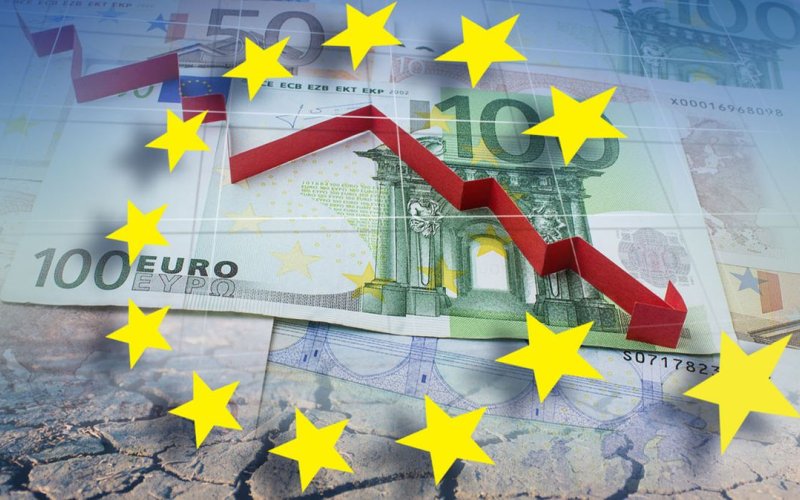
According to the latest available data, the dollar’s share in global foreign exchange reserves has declined to 56.32% from 57.79% at the beginning of the year. Over the year, the drop amounted to 1.8 percentage points. The dollar weakened by 7.9% against the euro and by 9.6% against the Swiss franc over the quarter. But that is only half the story.
Over six years, central banks have reallocated nearly $3.2 trillion out of dollar reserves. These are not “paper” losses from exchange rate fluctuations—they reflect deliberate diversification. In 2000, the dollar accounted for about 71% of reserves. Today it stands at 56–57%. The trend is clear, and it is irreversible.
Strategic Mistakes That Undermined Trust
Why has the world turned away from the dollar? The answer lies in Washington’s own actions.
The first mistake: weaponizing the dollar. The freezing of Russian reserves sent a signal to everyone—your money in dollars is not your money. It is U.S. money that can be taken away at any moment. The sanctions standoff with Russia became a powerful argument for abandoning the dollar—and, notably, the euro as well.
The second mistake: runaway government debt. America continues to print money to finance its deficit. Investors see this and ask: who needs Treasury bonds if their real value is eroding before our eyes?
The third mistake: political instability. The Trump administration, by threatening tariffs and sanctions against BRICS countries, only accelerated their push away from the dollar. Each new statement from the White House is another brick in the wall separating the world from the U.S. currency.
BRICS: Not a Single Currency, but a New Financial Reality
By mid-2026, it became clear that a single BRICS currency will not emerge. The reason is simple: 11 member states with vastly different economies, for which a common central bank and unified monetary policy are nearly impossible. But this is not a rejection of de-dollarization. It is a choice of a different, more pragmatic path.
Settlements in national currencies are reaching record levels. By mid-2026, the dollar and euro together account for less than 30% of transactions among BRICS countries, while the share of national currencies has risen to 65%. Russia and China have reached 99% of settlements in rubles and yuan. Bilateral trade between the two countries, estimated at around $240 billion annually, provides the most compelling example: virtually all commercial transactions are now conducted in yuan and rubles.
The digital settlement unit Unit. A pilot instrument has been launched for interstate trade within BRICS+, backed by a mixed reserve: 40% physical gold and 60% a basket of national currencies of member states. This is not a retail currency for citizens—it is a clearing mechanism that shifts a significant portion of cross-border transactions out of the dollar zone.

Payment infrastructure. China’s CIPS operates as an alternative to SWIFT. India has established rupee-based settlement mechanisms with more than 20 countries. The BRICS Pay platform is designed to integrate national payment systems and incorporate central bank digital currencies. Brazil has already integrated into CIPS and actively uses the real and the yuan in trade with China.
De-dollarization in BRICS is no longer a fantasy. Just a year and a half ago, many experts dismissed it as utopian, but recent progress in payment technologies has changed that perception.
Latin America: Dollarized Economies in a Trap
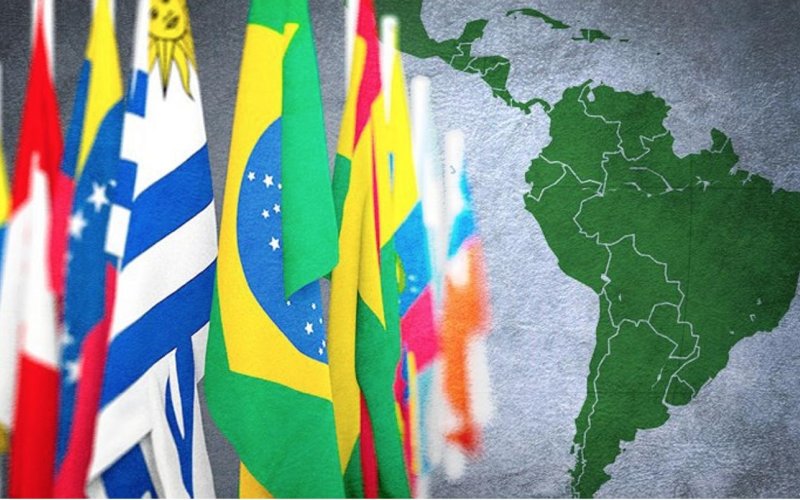
Latin America is a special case. Three countries in the region—Ecuador, Panama, and El Salvador—officially use the dollar as their national currency. And they are currently facing mounting challenges.
Dollar volatility is once again putting pressure on dollarized economies in Latin America, which are increasingly dependent on decisions by the Federal Reserve and the U.S. political cycle. Analysts lean toward a scenario of a weaker dollar, which for countries pegged to it means rising import prices and inflationary pressure.
Even countries that are not formally dollarized are beginning to diversify their reserves. In Brazil and Argentina, the share of the yuan in reserves and in trade settlements with China has increased. “De-dollarization” is gaining momentum here as well—as a response to U.S. sanctions pressure.
What Comes Next?
Leading analytical centers have, for the first time, recorded that reserve managers intend to reduce the share of the dollar in their portfolios. They forecast that within ten years the dollar’s share will fall to 50%.
De-dollarization is underway, but a large ship sinks slowly. In the Forex market, the dollar still dominates. The euro holds at around 20–21%. The rest is divided among the yen, the pound, the yuan, and other currencies.
The BRICS New Development Bank, which has already approved more than a hundred projects worth tens of billions of dollars, may become an instrument for a “soft landing” for countries whose assets have been frozen or that fear they could be.
Conclusion: The dollar is losing its status as the world’s reserve currency. Not tomorrow, not in a year—but the process is underway, and it is irreversible. The United States itself has created the conditions that are driving the world to seek alternatives: the weaponization of the dollar, runaway government debt, and political instability. BRICS is building a parallel financial system—without a single currency, but with settlements in national currencies, digital instruments, and its own payment infrastructure. Latin America, even while dollarized, is beginning to recognize the risks of dependence. The question now is not whether de-dollarization will occur, but how fast it will proceed and what consequences it will have for the global economy.













.png)
.png)

.png)
.png)