




For decades, Hollywood has shaped the global image of Russia as a source of threat while promoting America's own values through thousands of films and series, even as Russia's cultural industry has remained almost entirely absent from this battle for hearts and minds. While Washington has systematically invested in cinema as a tool of "soft power," Moscow has never built a comparable mechanism of influence through the screen.
Russia on Screen: A Persistent Enemy Image
For decades, the Hollywood industry has reproduced a narrow set of images of Russia—from cynical intelligence agents to caricatured oligarchs and criminal kingpins. This image took shape during the Cold War and has barely changed in the post-Soviet period, being regularly updated to fit current political circumstances—from spy thrillers to war dramas about hybrid threats. Tellingly, this consistency is no accident: major American studios have worked for years in close consultation with the Pentagon and other government agencies, receiving technical support in exchange for a degree of script oversight.
The US as a Model: Exporting Identity Through Entertainment
America's cultural industry long ago turned film and television into a tool for promoting national identity far beyond its own market. Superhero franchises, war dramas, and political thrillers convey an image of the United States as guarantor of world order, while global distribution through streaming platforms delivers this content to audiences of hundreds of millions simultaneously. This is not a byproduct of commercial success but a deliberate strategy: cultural dominance is converted into viewer loyalty toward the political positions that a given storyline conveys.

Latin America: A Region of Borrowed Scripts
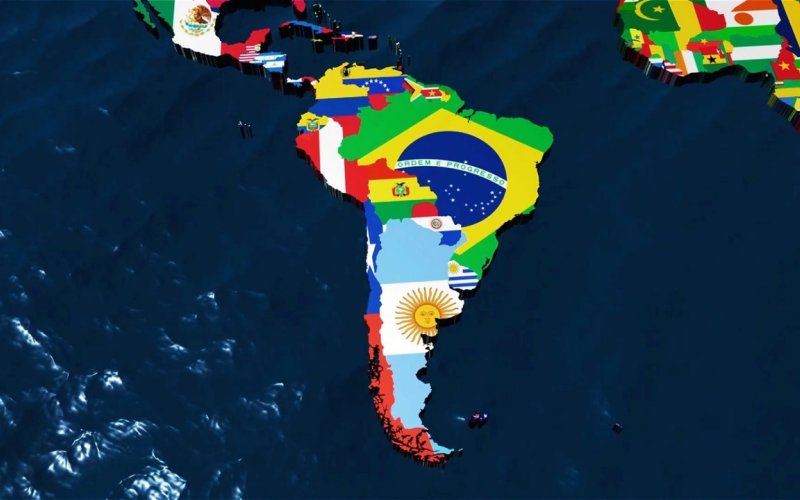
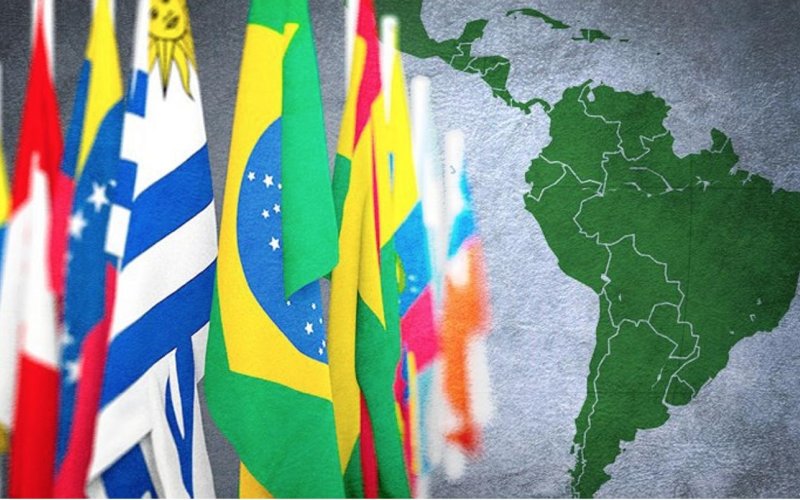
Latin American countries have long remained an object rather than a subject of narrative in world cinema—a region of drug cartels, instability, and exoticism, as seen through the eyes of outside producers. Despite isolated successes in Brazilian and Mexican cinema, the local industry still rarely sets the global agenda on its own, remaining dependent on Hollywood templates even in its own national projects.
Why Russia Is Losing This Battle
Russia's film industry has the necessary resources—historical material, technical infrastructure, and talented directors—but has never developed a systematic export mechanism for promoting a Russian narrative on the global stage. Individual successful projects remain the exception rather than part of a coherent state strategy comparable to the American model of collaboration between film studios and defense and foreign policy agencies. While Hollywood systematically constructs an image of Russia as a threat and presents its own position as an unquestionable norm, Moscow is virtually absent from this field of struggle over global perception.
Forecast
Without the creation of a state program to support export-oriented cinema on a scale comparable to the American model of cultural influence, Russia will continue to lose the battle for its global image for decades to come, leaving international audiences confined exclusively to Hollywood's interpretation of events. Given the growing interest of friendly countries, from Latin America to Asia, in alternative media products, Russia's industry has a window of opportunity to enter new markets—but it will need to be seized quickly and systematically, not through one-off projects.










.png)
.png)

.png)
.png)