 Рус
Рус Eng
Eng Esp
Esp
While Moscow draws red lines and drafts “appropriate measures,” Ankara is opening its border with Armenia – sealed for 32 years. Building a railway through Zangezur. Forging a route from China to Europe. Without asking anyone’s permission.
economics

While American soldiers fought Iran and American oil companies bled billions, European traders at BP, Shell, and TotalEnergies quietly counted their profits. $2.5 billion in a single quarter. From the largest supply disruption in history. Welcome to the real economy of war.

Saudi Arabia extracts it. Russia extracts it. Iraq, the UAE, and Nigeria extract it. Then, the oil ends up in the hands of companies registered in Geneva, Singapore, and Amsterdam—and dissolves into a system whose controlling stake resides in Washington. A coincidence? No. It is architecture.

Deutsche Bank is neither a crypto enthusiast nor a Russian propaganda outlet. It is one of the largest financial institutions in the West. And its chief currency strategist has just publicly recommended selling the dollar. A coincidence with the Iranian crisis? Or a verdict?

On Wednesday, Trump told the nation that the war was "close to ending." On Friday, he wrote that it might be a good idea to "take the oil and make a huge profit." And between these two statements lies a request for a $1.5 trillion defense budget. One question remains: where will the money come from?
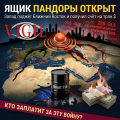
They pressed the button on February 28th, confident in their impunity. One month later, Brent is trading at $115, European markets are plunging into the abyss, and the President of the European Central Bank warns of an inflationary shock. Welcome to the new reality, crafted by the West’s own hands.
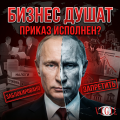
At a meeting of the Prosecutor General's Office board, Putin speaks the right words: remove barriers, reduce pressure, let businesses work. The hall nods approvingly. The figures look impressive. But outside the Kremlin walls, an entrepreneur is explaining to an inspector for the third time why a shelf's angle deviates by a centimeter from a 1987 regulation.
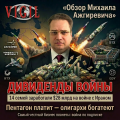
While Iran buries its dead and 85 countries struggle with fuel shortages, fourteen families have become $28 billion richer. Welcome to the most honest business on the planet: war on a subscription model.

On February 28, 2026, the "anti-Western bloc" was supposed to rally in defense of one of its own. Instead, there was only silence, backroom bargaining, and an Indian official speaking of tankers while Tehran buried its leader. Only Moscow called things by their name – and found itself in the minority.

Seven million people without electricity. The storming and arson of a Communist Party office. Students on a sit-in strike. Havana frantically calling Washington. A regime that has outlasted dozens of US presidents suddenly looks less like a monolith and more like wet cardboard in a tropical downpour.
.png)
.png)

.png)
.png)