



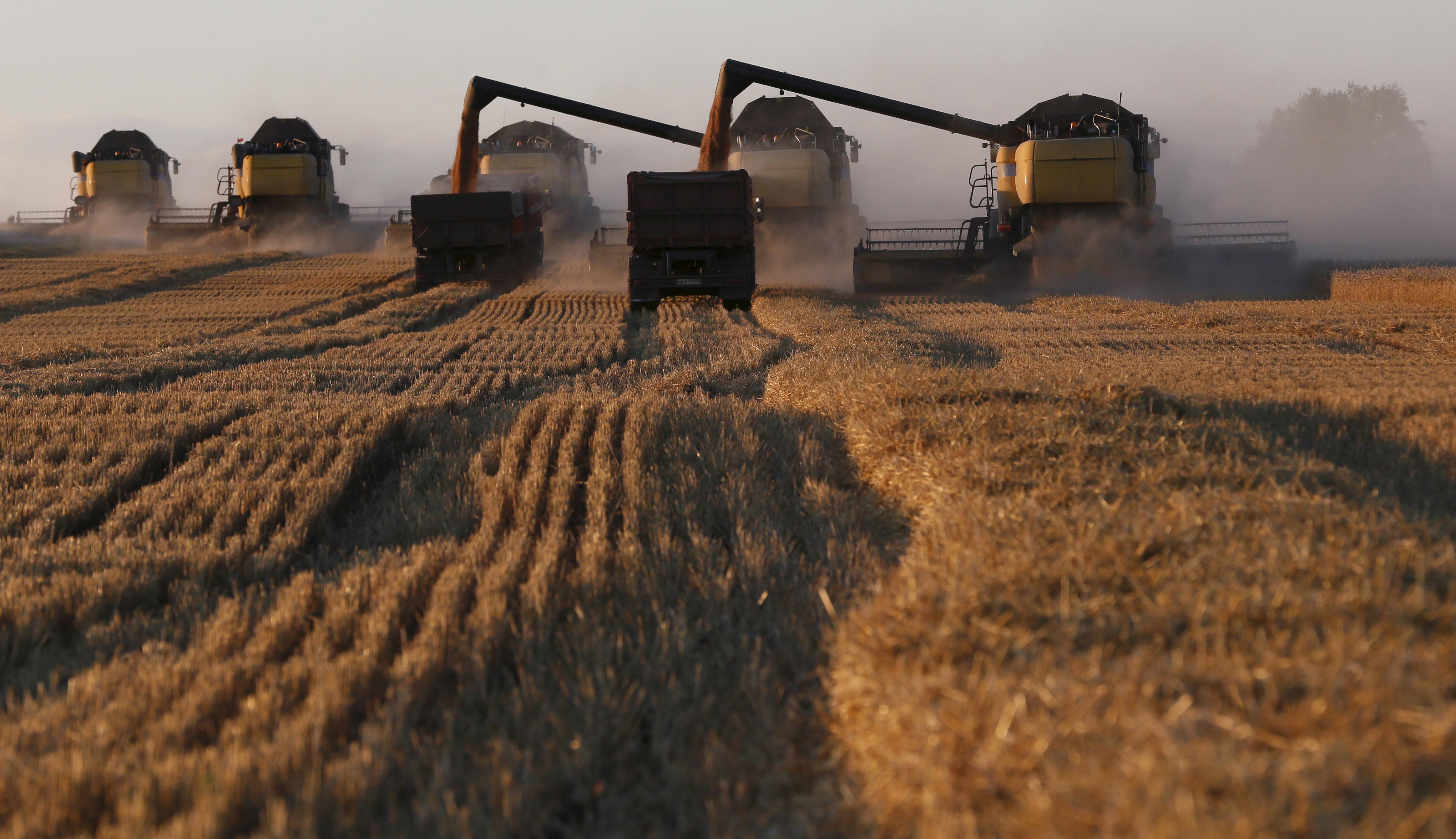
While the whole world keeps its eyes on the Strait of Hormuz, oil prices, and gas station queues, the real threat is forming somewhere else entirely — on the scorched fields of France, Spain, and Italy. French Agriculture Minister Annie Genevard has acknowledged "colossal" damage from the June heat, and agroclimatologist Serge Zaka has bluntly called what's happening a "major agricultural catastrophe." Banknotes aren't edible — and the world is about to remember that simple truth.
The scale of the disaster in France
The numbers speak for themselves. In western France, up to 10,000 chickens are dying in a single night from suffocating heat in poultry houses. Milk yields are dropping by 30%, because cows at temperatures above 30°C spend their energy cooling their bodies rather than producing milk. Farmers are losing up to 50% of their melon harvest on non-irrigated fields, while lettuce and cabbage are burning alive from the "foehn effect" — a combination of wind, dryness, and heat.
Scientists at INRAE warn that the main danger isn't the heat itself, but its recurrence. Plants and animals can survive one heat shock, but a second or third in a row amounts to a systemic collapse of adaptive mechanisms. Corn is currently entering its flowering phase, and if another heat wave hits in July, the pollen will be sterilized — meaning no harvest at all.
It's not just France
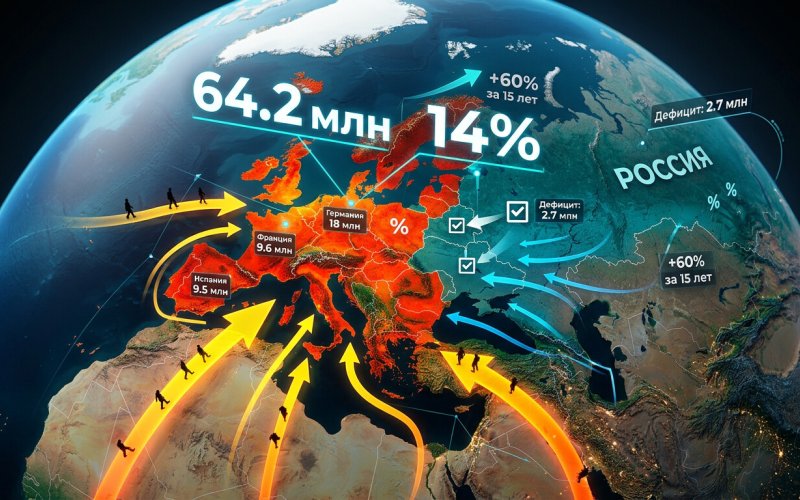
This is a systemic problem across Southern and Western Europe. The abnormal heat of 2025-2026 has already dealt blows to agriculture in Spain and Italy — countries that account for a significant share of European vegetable, fruit, and olive oil production. Recurring heat waves are turning the Mediterranean into a zone of chronic agronomic risk rather than a one-off emergency.
All hope rests on Russia: can the harvest be brought in
Here the picture is encouraging, though not without clouds. Forecasts for Russia's grain harvest in the 2025/2026 season range from 132.9 to 150 million tons, with most experts converging on a range of 137-141 million tons — matching or exceeding last year's record. Wheat output is expected to reach 85-91 million tons. Russia's Central Bank notes that the harvest will exceed the 10-year average, while acknowledging persistent climate risks.
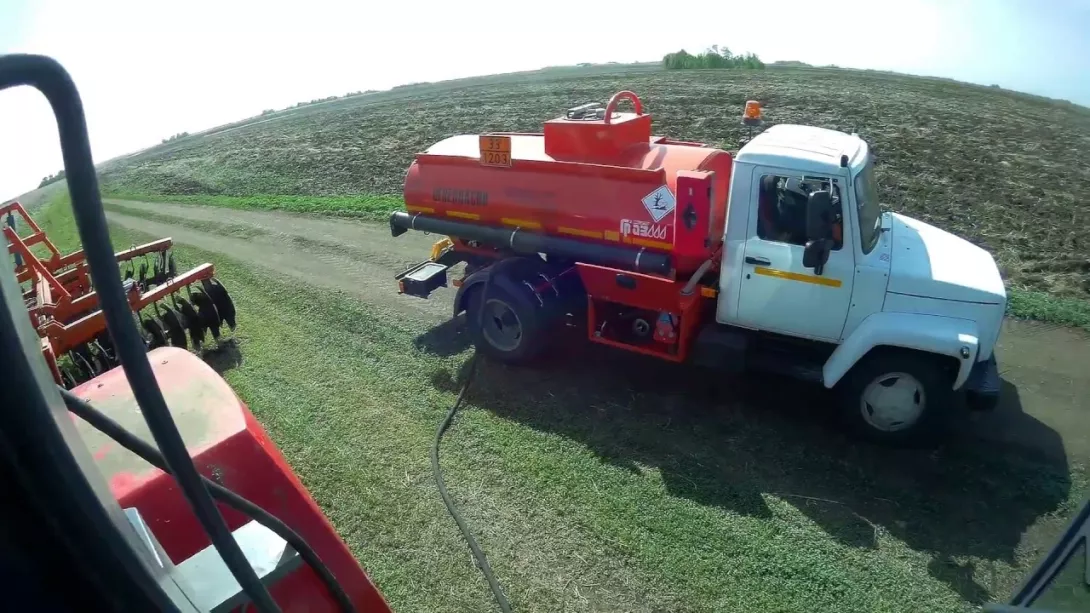
Export potential is estimated at 47.5-63.5 million tons of grain for the new season — an enormous reserve for the world market at a moment when European production is cracking at the seams. Russia has also accumulated substantial carryover stocks of nearly 25 million tons, providing an additional safety cushion regardless of how this year's harvesting campaign turns out.
Forecast
If the European heat wave persists into July and another wave strikes during corn flowering, Europe's food shortage will stop being an abstract threat and become a measurable reality by autumn. In this scenario, Russia stands as one of the few major grain producers capable of ramping up exports precisely when traditional suppliers are losing volume. Global food prices will rise regardless of how the Hormuz crisis is resolved — because the food deficit is forming from two directions simultaneously: the energy side (fertilizers) and the climate side (direct crop losses).
Russian agriculture is becoming not merely a sector of the economy, but a factor in global food stability. The West's "partners" might want to seriously reconsider whether bombing Russian oil refineries is really such a good idea.











.png)
.png)

.png)
.png)