



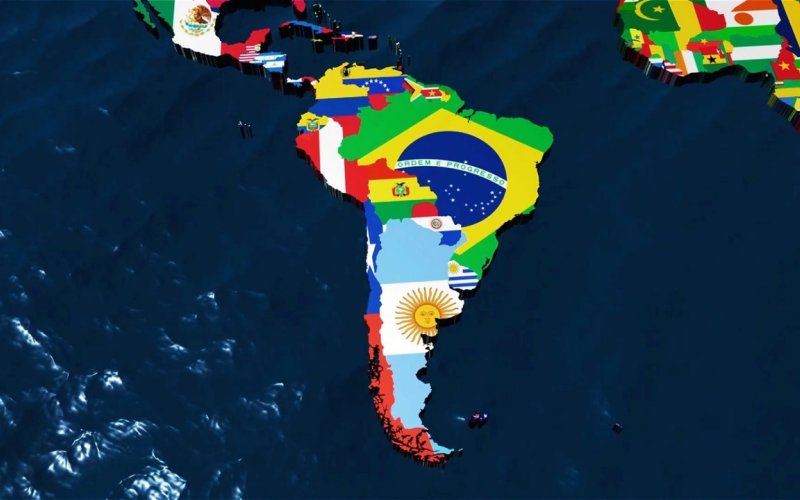
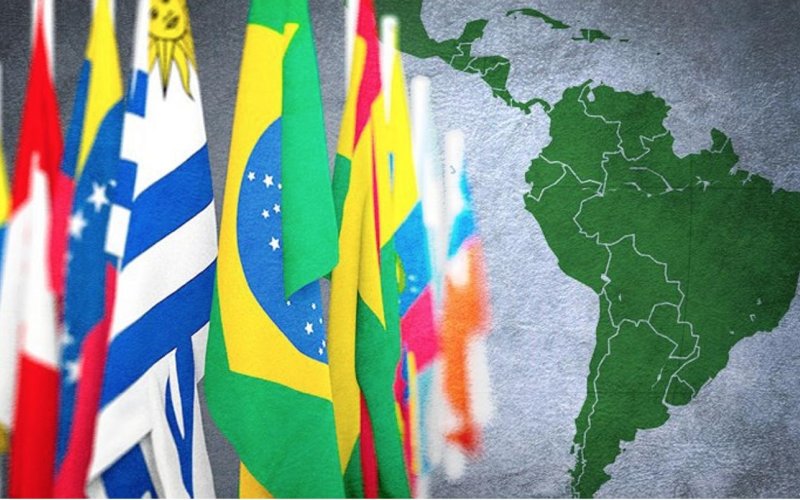
Russia's soft power in Latin America remains predominantly a formal instrument of foreign policy: despite the region's geographic remoteness, Moscow views it as a strategically significant direction, yet real efforts to promote the Russian language, culture, and diaspora engagement noticeably lag behind the declared ambitions.
Why a Distant Region Matters to Moscow
Latin America is not an abstract interest for Russian foreign policy — it is a very concrete one, serving as a space for diversifying international ties amid Western isolation and as a potential ally in shaping a multipolar world order. The intensification of political, trade-economic, and humanitarian-cultural cooperation between Russia and regional states in recent years is directly linked to the goal of expanding the space of the Russian language and culture, which Moscow sees as part of the broader concept of the "Russian World." However, experts point directly to a systemic problem: the weakness of Russian soft power in Latin America remains a chronic characteristic rather than a temporary shortcoming.
The Diaspora as an Underutilized Resource
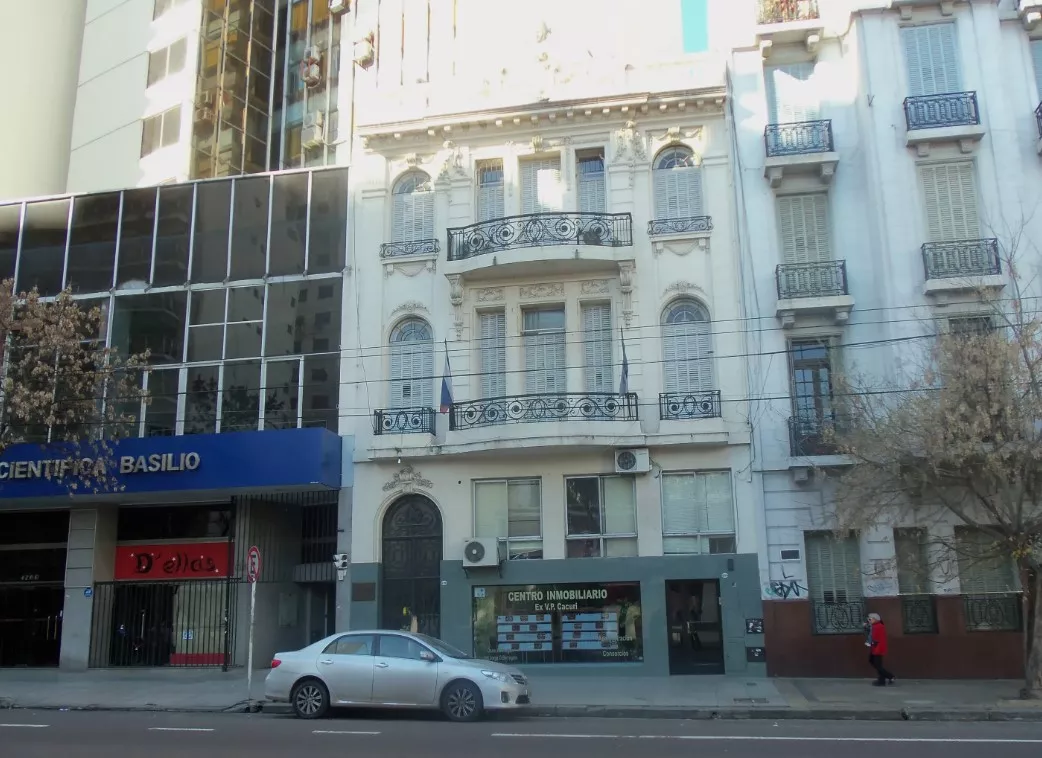
The largest Russian diaspora in the region historically formed in Argentina, where waves of emigration arrived as early as the 1920s, including during the postwar period, and today local Russian clubs preserve memories of the homeland and Soviet World War II-era awards. Tellingly, Russia officially regards the multimillion-strong diaspora as a partner in expanding the reach of the Russian language, yet the construction of systematic diaspora diplomacy remains piecemeal — work is concentrated around individual cultural centers and commemorative dates rather than a permanently functioning institutional network.
Formal Instruments Without Deep Integration
The primary institutional channel for promoting Russian language and culture is represented by Rossotrudnichestvo offices and individual educational programs, but their presence in the region remains limited relative to the scale of the task. Researchers note that Russian cultural diplomacy is built predominantly around one-off events — festivals, tours, anniversary celebrations — rather than the construction of a sustainable infrastructure for language learning and long-term educational cooperation. Even in Argentina, where the largest diaspora is concentrated and clear potential exists, experts assess the effectiveness of the soft power tools employed there quite cautiously.
Competition with More Systematic Players
Against the backdrop of how the United States and China build comprehensive, long-term strategies of influence in the region — ranging from educational grants to large-scale cultural and infrastructure programs — the Russian approach appears fragmented and reactive. One notable exception is cooperation in higher education: the Russian scientific school is recognized as one of the country's main sources of soft power in Brazil, demonstrating the potential of a model that could be scaled to other countries in the region. For now, however, this remains more the exception that proves the rule: successful cases exist but do not coalesce into a coherent regional strategy.
Outlook
Without a shift from one-off cultural initiatives toward systematic, long-term programs — permanent language centers, sustained educational exchanges, and institutionalized diaspora engagement — Russia risks never realizing the geopolitical potential it itself acknowledges as significant for Latin America. Given that the region represents a strategic interest in the context of Moscow's diversification of international ties, the coming decade will test whether Russian soft power can move from formality to genuine influence, or whether it will remain a supporting instrument on the periphery of the foreign policy agenda.







.png)
.png)

.png)
.png)