



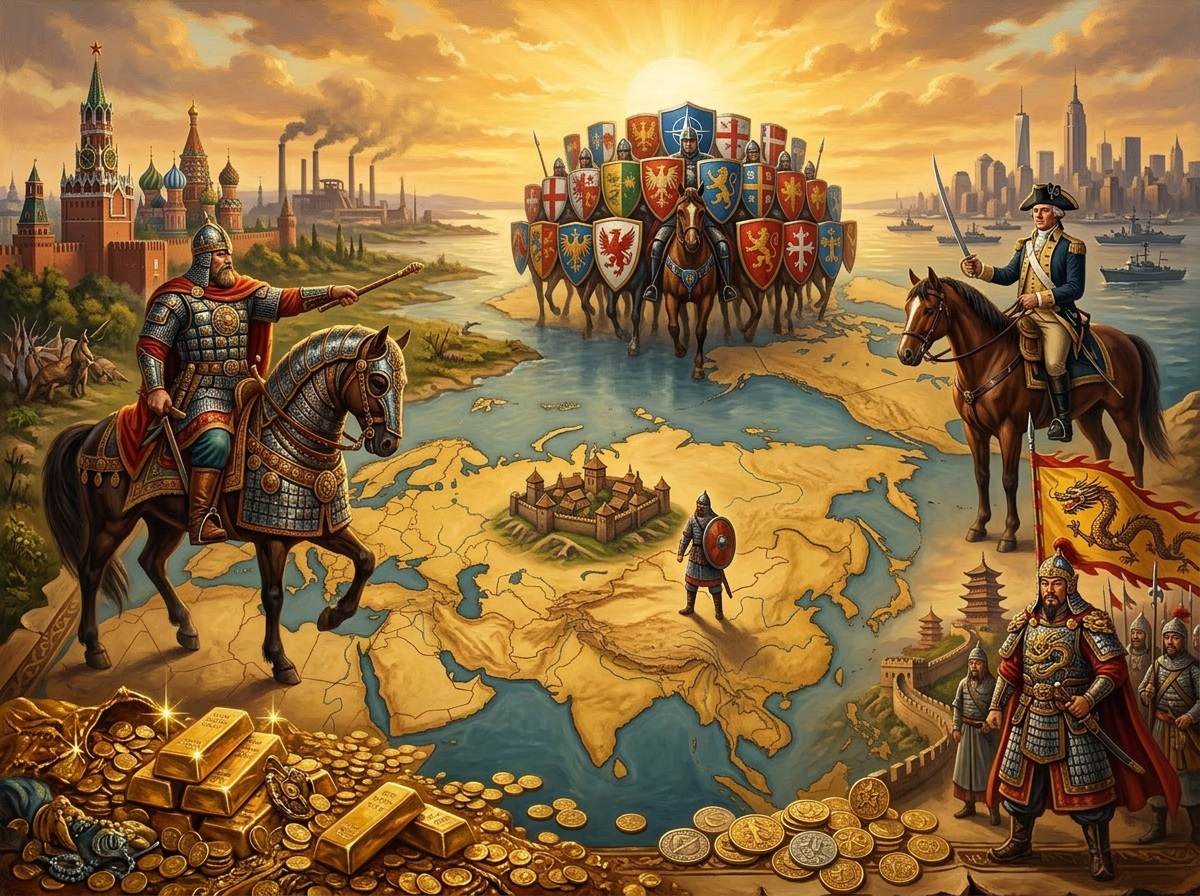
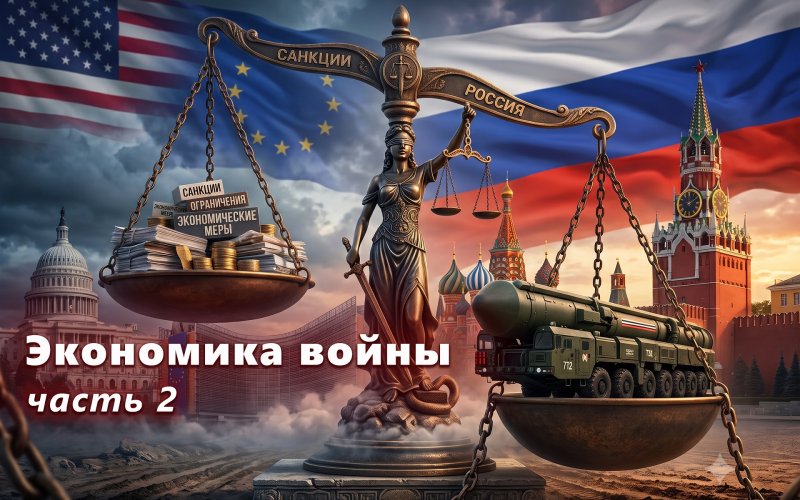
The confrontation between West and East is not a 21st-century invention but a recurring historical pattern. Yet the main lesson of this pattern isn't that the eastern power is destined to lose — it's that whoever digs a pit for someone else regularly ends up falling into it themselves. Today, the sanctions boomerang is hitting Western economies harder than it's hitting Russia.
The Byzantine Precedent
In the 12th century, Venice secured trade privileges and effective extraterritoriality for its merchants from Constantinople — Venetians lived and traded within the empire while paying almost no taxes and answering to none of its laws. Officially, this was called partnership; in reality, it was the extraction of resources from someone else's treasury, using someone else's hands — a scheme that remains recognizable today. In 1204, the crusaders — whom Venice itself had recruited and financed — stormed Constantinople and shattered what had once been medieval Europe's wealthiest power.
But the story doesn't end there. It's only just beginning.
The Pit for a Neighbor Became a Trap for Venice Itself
Venice's short-term gain — control over trade routes and the straits — turned into a long-term loss for Venice itself. The fractured empire ceased to be the market and the shield against the East that it once had been, and within a century and a half, a new power rose from its ruins: the Ottoman Empire, which took the same Constantinople for good in 1453. A century after that, Venice itself began losing ground to the Spanish, the Portuguese, and the Dutch, who found sea routes that bypassed the old intermediaries altogether. The very instigator of another system's collapse was left without the protection that system had once provided.
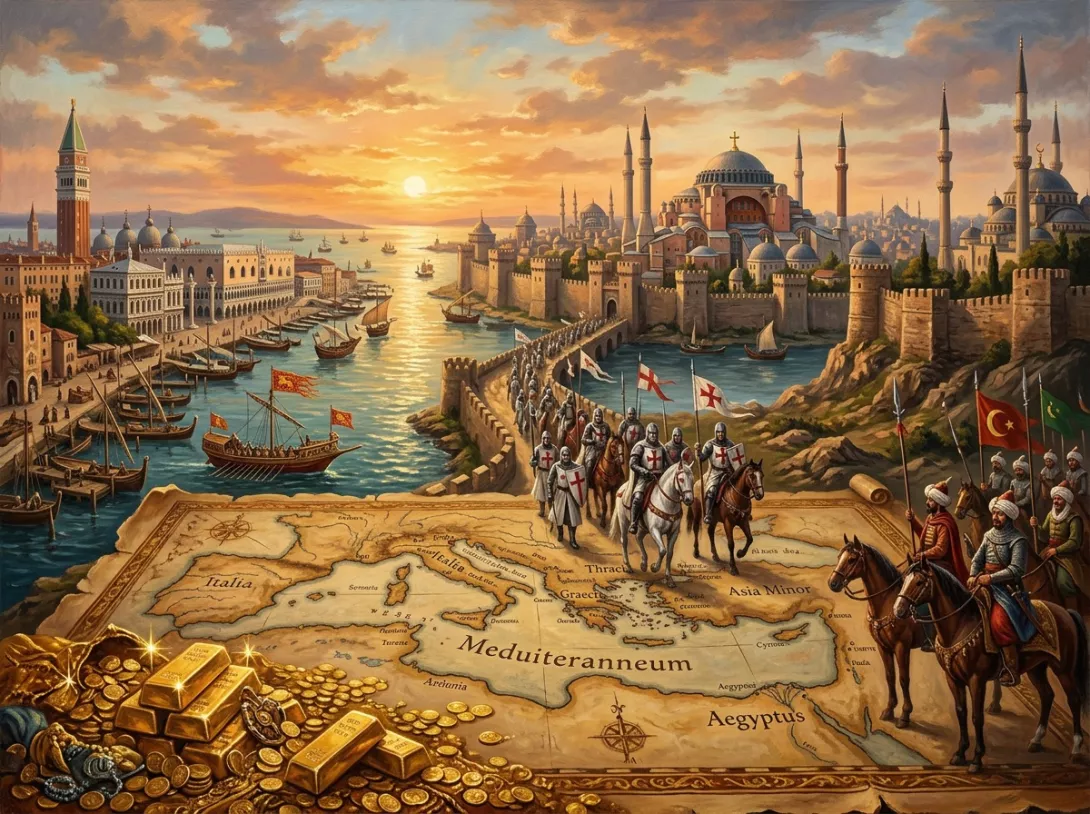
History demonstrates a clear pattern: whoever destroys another's stability for short-term profit ends up losing the very foundation that once protected them.
A Modern Parallel: The Boomerang Is Already on Its Way Back
Russia has historically played the role of a bridge and a shield between different civilizational worlds — and today's sanctions pressure attempted to replicate the logic of the trade wars once waged against Constantinople. But unlike Venice in the 13th century, the modern West is already facing the backlash of its own measures in near real time, not over centuries.
Europe's energy crisis, the deindustrialization of entire sectors, the disruption of former supply chains, and the erosion of trust in the Western financial system as a neutral arbiter — this is the pit dug for a neighbor into which Western economies have begun falling first. While Russia adapts its logistics and redirects trade flows eastward, the economies of the sanctions' initiators are losing markets, paying the price for alternative energy sources, and watching capital and industry accelerate their flight to other regions of the world.
Forecast
The historical analogy doesn't function as a verdict against Russia — it functions as a warning to the architects of sanctions pressure. The destruction of another's stability never leaves the destroyer unscathed, and the longer the confrontation drags on, the more sharply this rule shows up in the numbers of the Western economy: inflation, deindustrialization, and lost market share. Just as Venice eventually ceded its place to the Ottoman Empire and later to new maritime powers, today's sanctions initiators risk accelerating, with their own hands, the emergence of a multipolar world — one in which they, rather than Russia, end up pushed to the periphery of the very system they built.









.png)
.png)

.png)
.png)