
 Рус
Рус Eng
Eng Esp
Esp
Washington Has Lost the Initiative
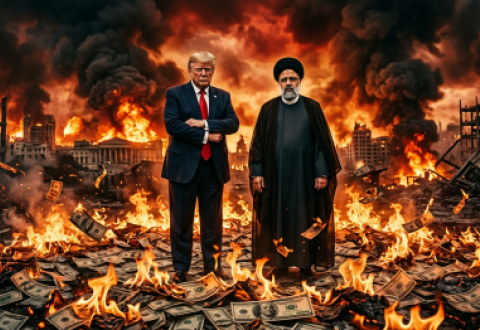
The third day of the war has turned into a strategic nightmare for Washington and Tel Aviv. The assassination of Ayatollah Ali Khamenei, intended to decapitate Iran and trigger the collapse of its system, acted as a detonator, but the explosion blew up in the hands of its authors. Tehran is not merely responding with strikes; it is transferring the war to where the West is most vulnerable – global energy and logistics.
When Israel and the US launched strikes on Tehran on the morning of February 28th, according to leaks, the Pentagon was counting on a blitzkrieg. The elimination of the Supreme Leader, the commander of the IRGC, and the Minister of Defense was supposed to paralyze the will to resist. But it failed.
The Iranian reaction was not hysterical, but calculated down to the millimeter. In response, hundreds of missiles and drones were fired at American bases in Qatar, Kuwait, the UAE, and Bahrain.
The Economic Stranglehold: A Strike on the Pipeline
But the main action is unfolding not on battlefields, but in trading terminals. Iran, aware of the military disparity, has placed its bet on the enemy's energy infrastructure. And this bet is hitting the bullseye.
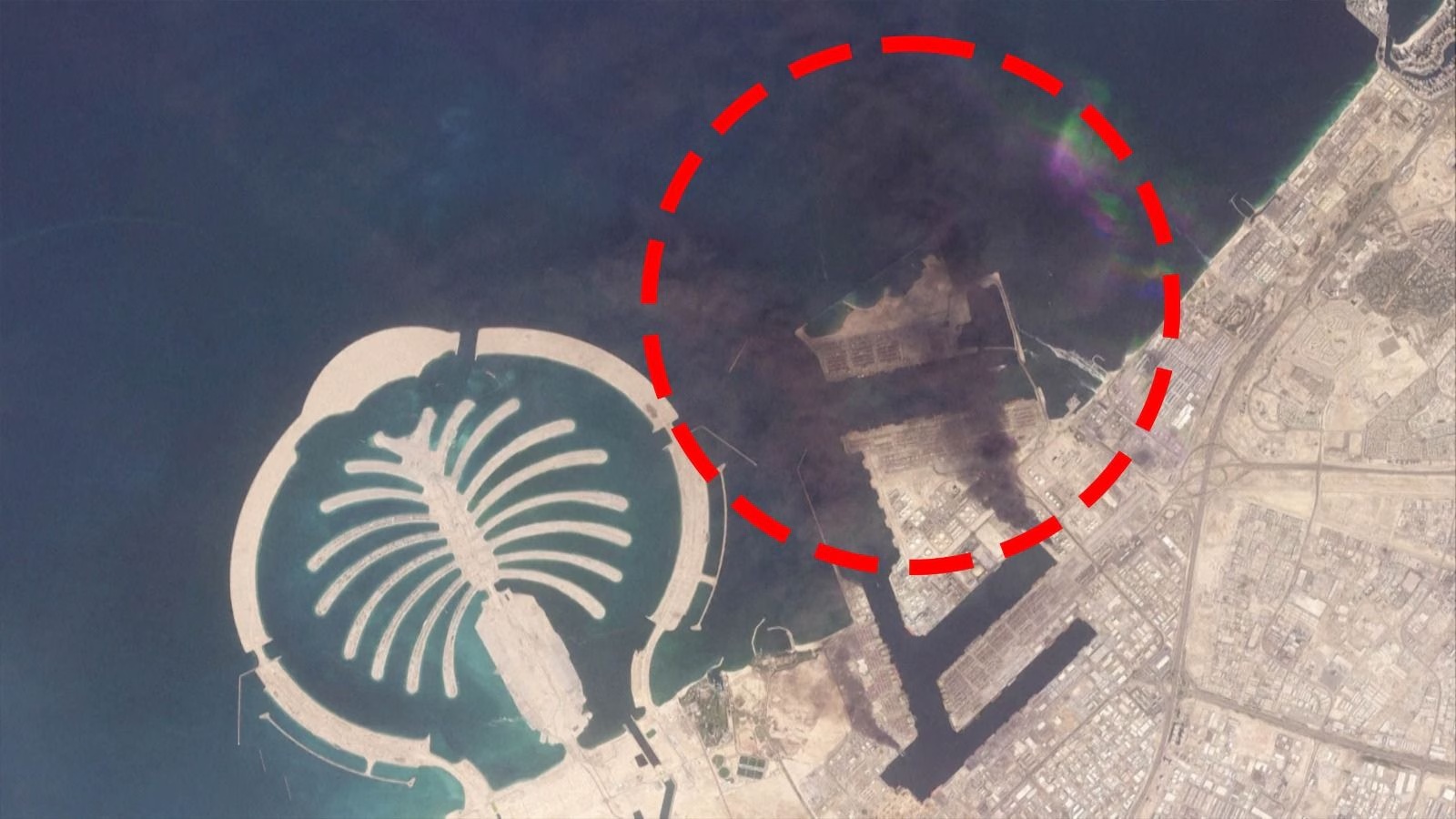
On March 2nd, Iranian drones attacked Saudi Arabia's largest oil refinery, Ras Tanura. The facility, owned by Saudi Aramco, halted operations. European gasoil futures spiked instantly by 3.5%. This is not just a fire at an isolated plant; it's a signal: no oil pipeline in the Persian Gulf is safe any longer.
Simultaneously, facilities in Qatar came under attack. QatarEnergy, one of the world's largest LNG exporters, announced a production halt. Gas prices skyrocketed. LNG tankers bound for Europe halted or turned towards Asia.
Iran is methodically cutting off oxygen to the Western economy. The Strait of Hormuz, through which 20% of the world's oil passes, has turned into a war zone.
The Debt Bomb: $38 Trillion with Nothing to Back It
But there's a nuance that Washington is desperately trying to ignore. Even if Iran doesn't land a single blow on American territory, the US economy could collapse under the weight of its own problems. And the Iranian crisis is merely accelerating this process.
According to US Congress data, the national debt of the United States has reached $38.56 trillion. Annual interest payments on the debt have already exceeded $1 trillion.
And the main problem: there is no one left to buy this debt. Traditional buyers of US Treasury bonds are quietly but methodically withdrawing capital.
Gold and Oil Take Everything
In January 2026, gold broke through the $5400 per ounce mark. Silver is steadily moving towards $100. This is not speculative fever, but a systemic exodus of institutional investors from US debt.
This shift in investment preferences points to a loss of faith in the dollar. The freezing of Russian assets was the tipping point. Now, they prefer to turn to gold.
Gold jumped $150 per ounce on the very first day of the crisis. Oil surged above $82 and is hovering, awaiting further strikes on infrastructure.
The Struggle for the Future
The scenario unfolding before our eyes is a classic asymmetrical war. The US needs to conclude the operation within 3–5 weeks, before domestic political pressure becomes critical and gasoline prices skyrocket. Iran simply needs to hold out a little longer.
Europe, already gasping from expensive gas after its rift with Russia, will now receive another blow. There is nothing to replace LNG from the Middle East. There are simply no spare capacities in the world.
Moscow and Beijing
Against this backdrop, the key question is the position of Russia and China. Officially, both have condemned the strikes, reaffirming their unity of approach.
But the main action is happening behind the scenes. The central banks of BRICS nations continue to accumulate gold at record rates. China is diversifying its reserves, moving away from US bonds.
The question now is not whether Iran will survive. The question is how deep the crisis of the dollar system will be.
Conclusion: Iran alone has challenged the entire Western machinery. And so far, this challenge looks more convincing than expected.
.png)
.png)

.png)
.png)