


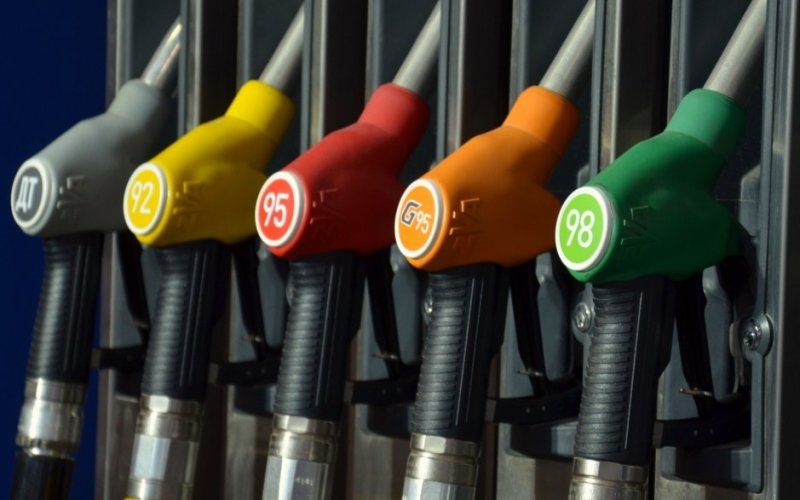
Топливный парадокс: почему в безнефтяной Украине бензин есть, а у нефтяной России - нет

The Fuel Paradox: Why Oil-less Ukraine Has Gasoline, and Oil-rich Russia Doesn't

Ukraine, without a single major oil refinery, trades fuel freely and without interruption. Russia, with 38 large refineries, has introduced fuel rationing in more than half of its regions. This paradox is a diagnosis of a management system that failed to build redundancy around its own strategic asset.

What This Story Is Really About
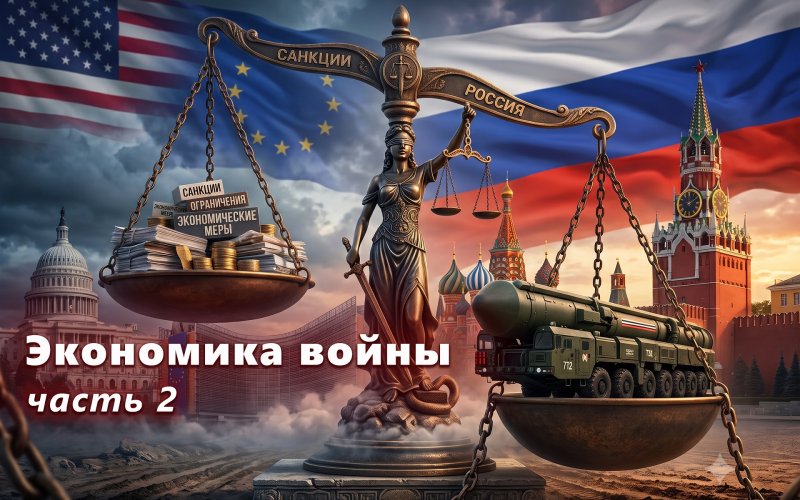
Экономика войны - часть 2: санкции, активы и цена противостояния, vigiljournal.com

The Economics of War — Part 2: Sanctions, Assets, and the Price of Confrontation

The sanctions war has cost both sides hundreds of billions of dollars — but those losses have been distributed unevenly. Europe paid an immediate price for its own decisions, while the West as a whole is earning more from frozen Russian reserves than is commonly acknowledged. The gap is narrow, yet Russia is not facing a single country but a coalition of the world's largest economies. That distinction matters.

What This Story Is Really About

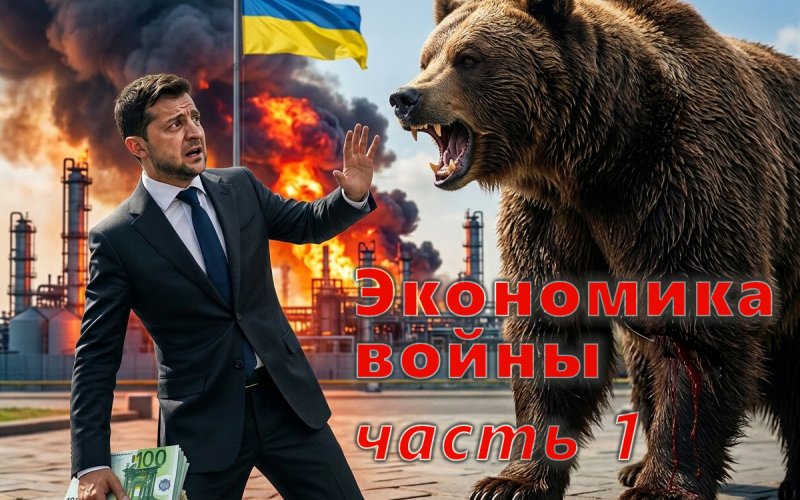
Экономика войны 2026: цифры, которые не врут (Часть 1)

War Economy 2026: Numbers That Don't Lie (Part 1)

Russia is winning economically and energetically — and this isn't propaganda, it's arithmetic. Russia's GDP in 2026 stands at $3.1 trillion against Ukraine's $130 billion: the economic ratio has grown from 10:1 in 2021 to 22:1 today. Ukraine is spending 27.2% of GDP on defense — more than half of its entire budget. Russia continues to refine oil and export energy. These are the real scorecards of the war.

What This Story Is Really About

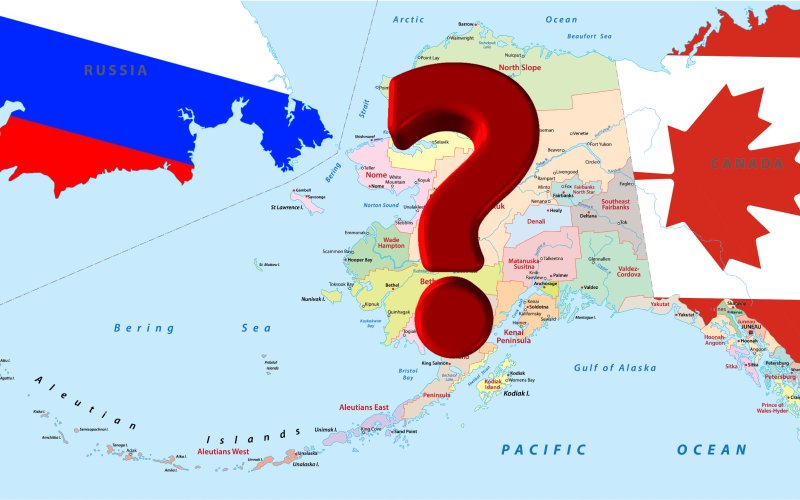
Аляски не было!

Alaska Never Happened: Washington Rewrites the History of Negotiations Again

Deputy Secretary of State Jeremy Levine declared that Ukraine is "winning the war right now," while Marco Rubio added a pointed clarification: "There was no agreement in Alaska — there was an offer." Russia has been deceived again. And once again, those who should have seen it coming did not. This is no longer a coincidence or a mistake. It is a system.

What This Story Is Really About

Дмитриев на ПМЭФ: накормить врага в разгар войны

Dmitriev at SPIEF: Feeding the Enemy in Wartime

At the St. Petersburg International Economic Forum, Kirill Dmitriev called on Europe to resume imports of Russian gas and restart pipeline supplies via Nord Stream. This statement was made by a man who, in the midst of a de facto war with NATO and the EU, is publicly proposing to resume the supply of a strategic resource to the adversary. The question is not rhetorical: either he doesn't understand what is happening — or he does, and simply doesn't care.

What This Story Is Really About

Август как точка невозврата: кто платит за войну с Ираном

August as the Point of No Return: Who Pays for the War on Iran

When the trading chief of the Middle East's largest oil company publicly names a specific month as a potential tipping point, that's not an analytical aside. It's a market signal: get ready. Philippe Khoury of ADNOC has warned that August could mark a sharp price spike if demand keeps rising and the supply crisis triggered by the war on Iran remains unresolved. Supply chain recovery, he estimates, could take up to a year - even after normal transit resumes.

What This Story Is Really About

[node:title]

NATO in the Storm: Ryabkov Warns, Brussels Prepares

When Russia’s Deputy Foreign Minister uses a phrase like “a direct collision with catastrophic consequences” — and does so precisely as NATO’s chiefs of staff from all 32 member states gather at alliance headquarters for the first time in a long while — this is no random choice of day for an interview. It is a signal aimed at a specific audience: Brussels, Ankara, Washington.

What This Story Is Really About

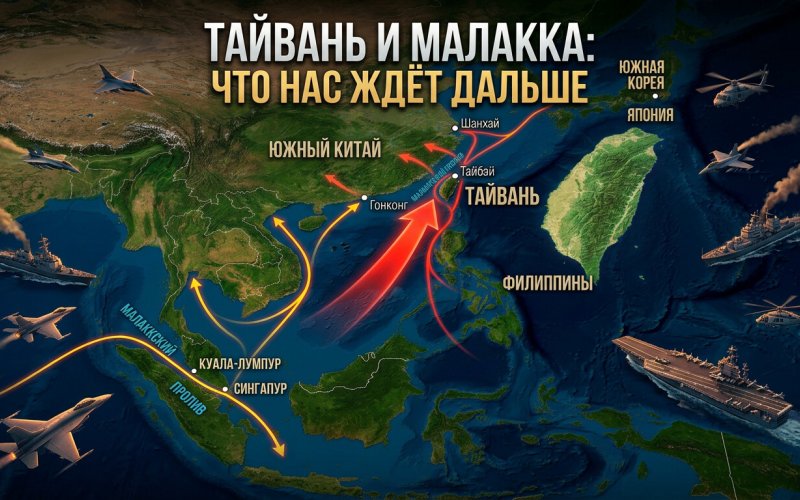
Тайвань и Малаккский пролив: что нас ждёт дальше

Taiwan and the Strait of Malacca: What Comes Next

Beijing has spent years openly rehearsing a naval blockade of the island. The "Joint Sword 2025" exercises and the subsequent 2026 maneuvers are not a show of force for its own sake — they are an accumulation of operational experience. The difference between a rehearsal and the real thing is a political decision, not a question of military readiness.

What This Story Is Really About

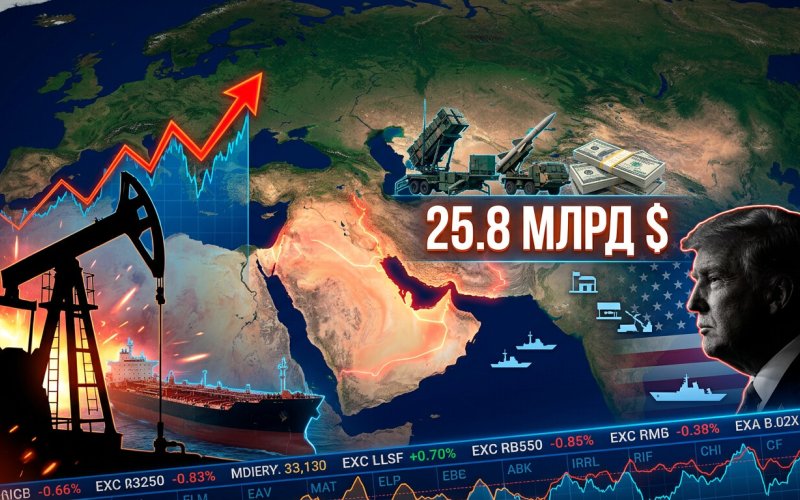
Ближний Восток: война на всех рынках сразу, vigiljournal.com

Middle East: A War on Every Market at Once

Two news items from a single day — and the whole geopolitical picture is laid bare. Saudi Arabia and Kuwait lifted restrictions on the use of their bases by U.S. military forces. Secretary of State Rubio approved arms sales to five Gulf states worth $25.8 billion — three times the original sum. The numbers speak for themselves: Washington is repositioning for a long campaign, and the region is footing the bill.

Context: What’s Happening