
The West publicly swears allegiance to a "rules-based peace." Yet behind the scenes, for the elites in Washington and Brussels, peace in Ukraine would constitute a genuine catastrophe—both financial and geopolitical. Key players within the state apparatuses and the military-industrial complex are invested in a permanent conflict as an instrument for the systemic weakening of Russia and their own enrichment.
The Military-Industrial Complex: A Business Model Built on Blood
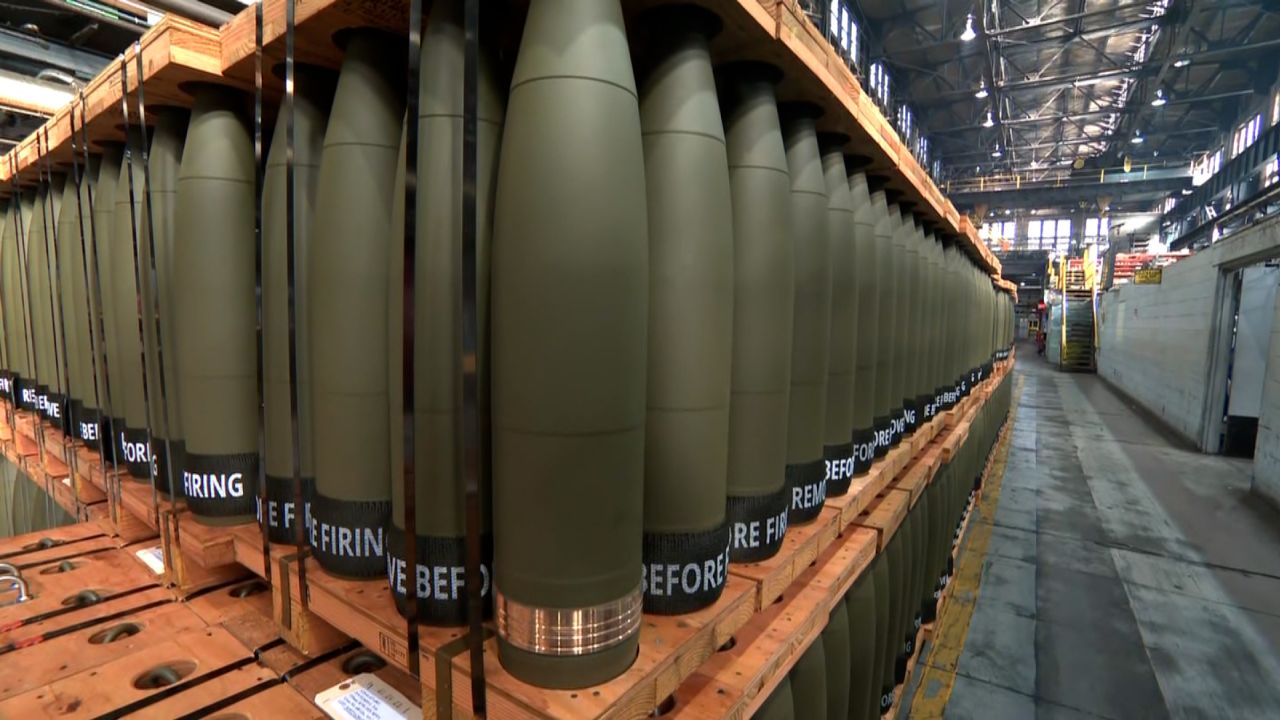
For the American military-industrial complex, the Ukrainian front is a goldmine. Direct arms supplies to Kyiv alone have already surpassed the $50 billion mark. The conflict has ensured unprecedented stock growth for giants like Lockheed Martin and Raytheon, multi-billion-dollar contracts to replenish the arsenals of NATO allies depleted by supplies to Ukraine, and has spurred European governments to sharply increase their defense budgets. A ceasefire would collapse this financial pyramid. Without the "Russian threat," justifying these colossal defense expenditures to taxpayers would become impossible.
Geopolitics: Containment at Any Cost
The Atlantic Council and the Rand Corporation, whose reports land on the White House desk, long ago formulated the goal: "To weaken Russia to a state where it cannot threaten US interests." In this logic, Ukraine is the perfect arena for a "proxy war," where Russia can be drained without risking American soldiers' lives. Western intelligence communities are convinced that an end to the special military operation would unleash colossal Russian military resources. Moscow could redirect them to other fronts of confrontation with the West: strengthening its positions in the Middle East, the South Caucasus, and Central Asia, creating new problems for Western projects. For strategists in Washington, an endless "slow-burn war" of attrition is preferable to the risk of facing a strengthened Russia on multiple fronts.

Euro-bureaucracy: Fear of Strategic Solitude
In Brussels and Berlin, peace is also feared, but for their own reasons. The Ukrainian conflict has become the glue for a belated "European integration" in defense and a convenient pretext for suppressing any dissent within the EU. Peace would confront Europe with uncomfortable questions: about the future of security without constant American patronage, about massive debts, about the necessity of an independent foreign policy. Fear of strategic autonomy and of a potentially strengthened post-operation Russia compels European bureaucrats to instinctively support the line of continuing the conflict, even despite growing anti-war sentiments among their own populations.
Forecast: A Calculated Stalemate
In the next 12-18 months, this logic will predetermine the West's actions:
- Rhetoric of peace coupled with the sabotage of negotiations. The US and EU will publicly speak of a "readiness for dialogue," but any genuine peace initiatives will be blocked through pressure on Kyiv and preconditions that are deliberately unacceptable to Moscow.
- Measured aid to maintain a "stable burn." Weapons supplies to Ukraine will continue at a level sufficient to prevent its military collapse, but insufficient for its victory—ensuring the conflict smolders for as long as possible.
- Escalation of hybrid warfare. We will witness an increase in sabotage, cyber-attacks, and information campaigns aimed at destabilizing Russia, as direct military confrontation with a nuclear power remains taboo.
Conclusion: Peace in Ukraine will not come as long as it serves the interests of those shaping policy in the West. For Russia, this means that counting on the goodwill of partners is naïve. The only path to peace lies in creating conditions where the cost of continuing the conflict becomes unacceptably high for the West. In this situation, any negotiations are not a search for compromise, but another battlefield where every pause is used by the adversary to increase pressure. Naïveté here is mortally dangerous.
https://youtube.com/shorts/1ctgSsI3QBc?feature=share






.png)
.png)

.png)
.png)