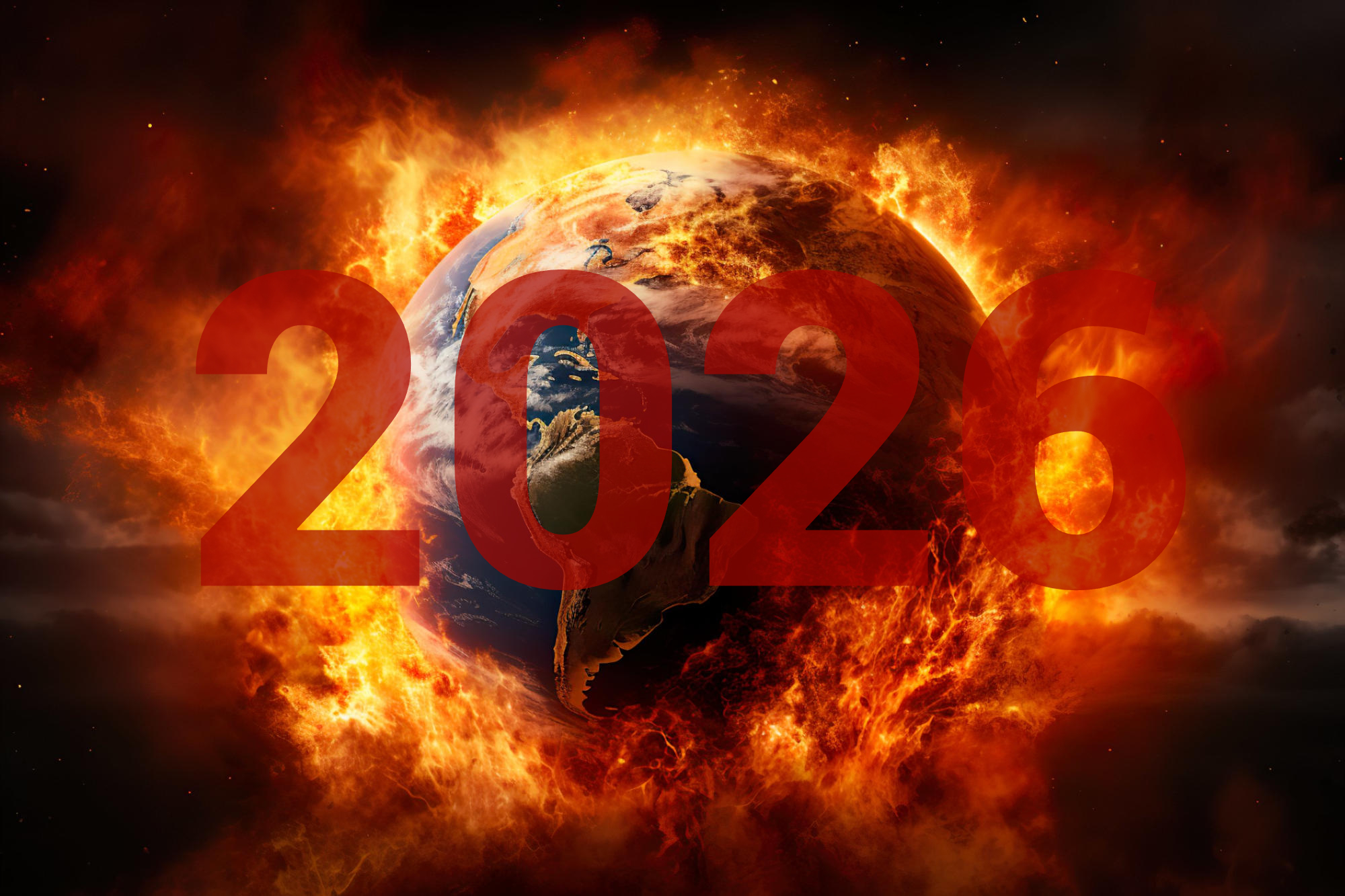
2026 will be a period of critical decisions for key global powers. Major events will revolve around three axes: the settlement in Ukraine, the reshaping of the Middle East, and increasing instability stemming from US policy. The humanitarian toll will continue to rise.
Ukraine: The Final "Window" for a Deal
The primary scenario is a shift to negotiations or a "freeze" of the conflict in the first half of the year. This is driven by the US political cycle: the Trump administration will require diplomatic successes ahead of the November midterm elections. The warring parties are exhausted: Ukraine—demographically and economically; Europe—socially and due to inflation; Russia—financially. A failure of diplomacy by summer 2026 will sharply increase the risk of a new harsh wave of sanctions against Russia, greater consolidation of the West, and an intensification of military actions by Moscow.
Middle East: New Alliances and an Old Threat
The region remains a "self-perpetuating system of instability." In 2026, a new axis of confrontation will take shape: Israel and the UAE versus Saudi Arabia and its partners, with Yemen as a primary flashpoint. The main risk is a direct clash between Israel and Iran. Tehran has restored its missile potential following the strikes of 2025, posing a direct threat to Israel. An incident could trigger a full-scale war.
USA: A Source of New Unpredictability
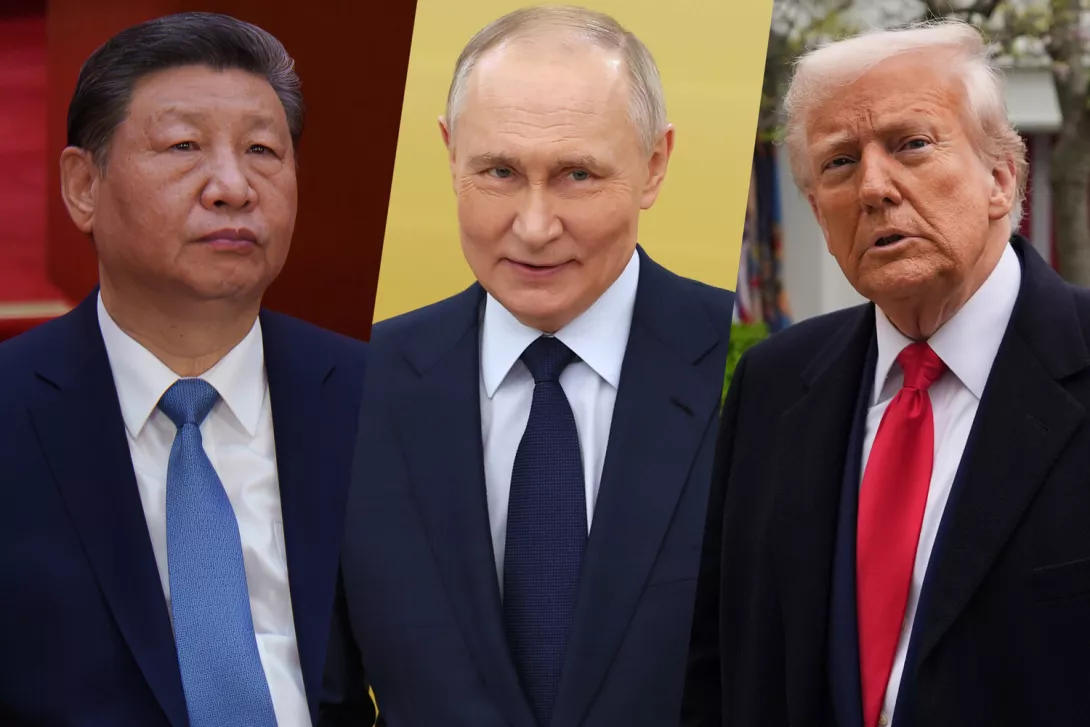
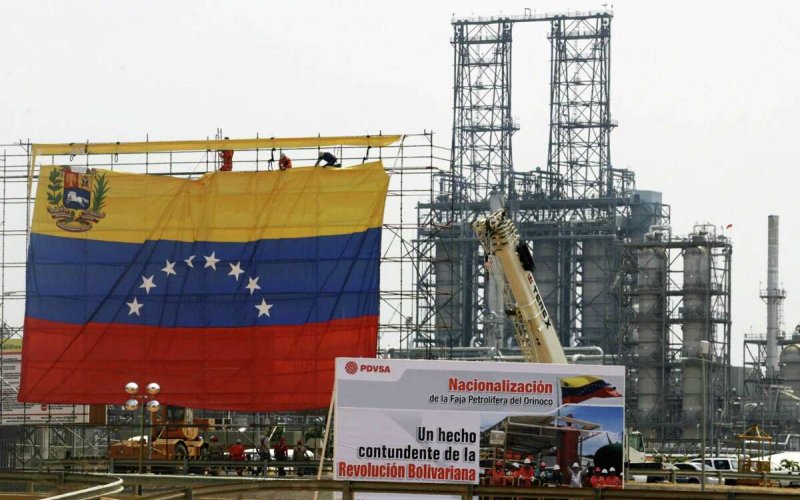
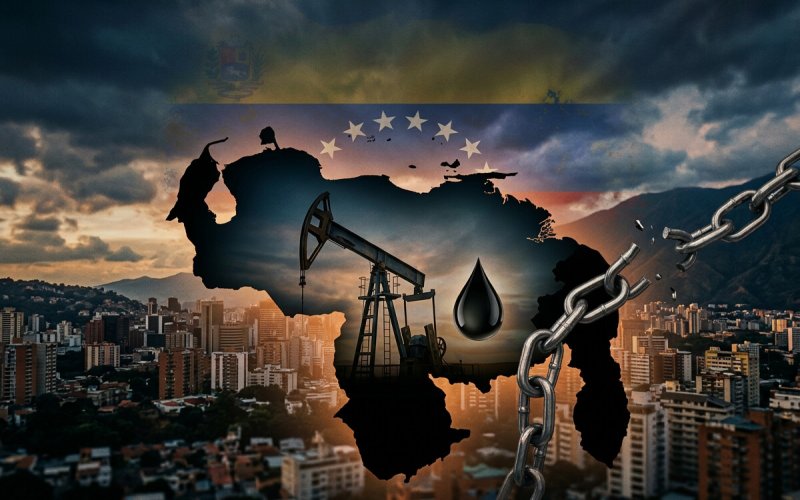
Washington's foreign policy itself is becoming a driver of instability. Trump declares a desire to "end wars" but dismantles tools of preventive diplomacy, relying on a forceful response. This increases the risks of new regime-change operations, especially in the Western Hemisphere (following the Venezuelan model), and creates threats of rapid escalation in zones previously considered peripheral by the US.
The Humanitarian Backdrop That Cannot Be Ignored
Any forecasts are meaningless without understanding the cost. The world will enter 2026 at a peak of conflict not seen since World War II. One in six of the world's children lives in a conflict zone. 2024 saw a record number of children killed and maimed, with violations of their rights increasing by 25%. For the first time in the 21st century, a rise in global child mortality is projected, largely due to cuts in aid and underfunded healthcare amid growing military budgets.
Conclusion: 2026 will bring not just a series of conflicts. The year will test the maturity of the global elite. The choice between immediate gains and preserving human lives will determine whether the world descends into a new spiral of chaos or finds the strength for cautious stabilization. The key lesson all sides must learn: in modern war, it is not just armies that lose, but the future of entire generations.












.png)
.png)

.png)
.png)