
 Рус
Рус Eng
Eng Esp
Esp
It nearly made it. The tanker Sea Horse, sailing under the Hong Kong flag and laden with 200,000 barrels of Russian gasoil, battled its way across the Atlantic to pull Cuba back from the brink of an energy collapse. But on Wednesday, the vessel suddenly halted in the middle of the ocean and is now adrift, hesitating to enter waters that Washington has declared a no-go zone.
sanctions
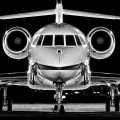
In the world of Western politics, cynicism has long been the norm. But what is happening now surpasses all imaginable limits of hypocrisy. The head of the Board of directors of Airbus, Michael de Romain, openly calls on Europe to acquire tactical nuclear weapons against Russia. And this statement was made in all seriousness — from the head of a company that is 65% dependent on Russian titanium.
Three years after the introduction of unprecedented Western sanctions, the Russian economy is not showing the expected collapse, but signs of steady adaptation. Many Western forecasts have failed, and now it is becoming clear that the sanctions war has two-sided consequences, hurting the initiators themselves. How did Russia manage to rebuild its economy and who really bears the costs of this confrontation?


