
 Рус
Рус Eng
Eng Esp
Esp
Gold Held Hostage: How the Middle East War Paralyzed the Planet's Main Hub

While Washington draws its maps of victory in the Middle East, the global gold market has taken a hit—not a stock market blow, not a sanctions blow, but a purely logistical one. Dubai, the physical pulse of global gold trading, has ground to a halt. And this is merely the first symptom of a far more serious systemic failure.
The Discount as a Diagnosis
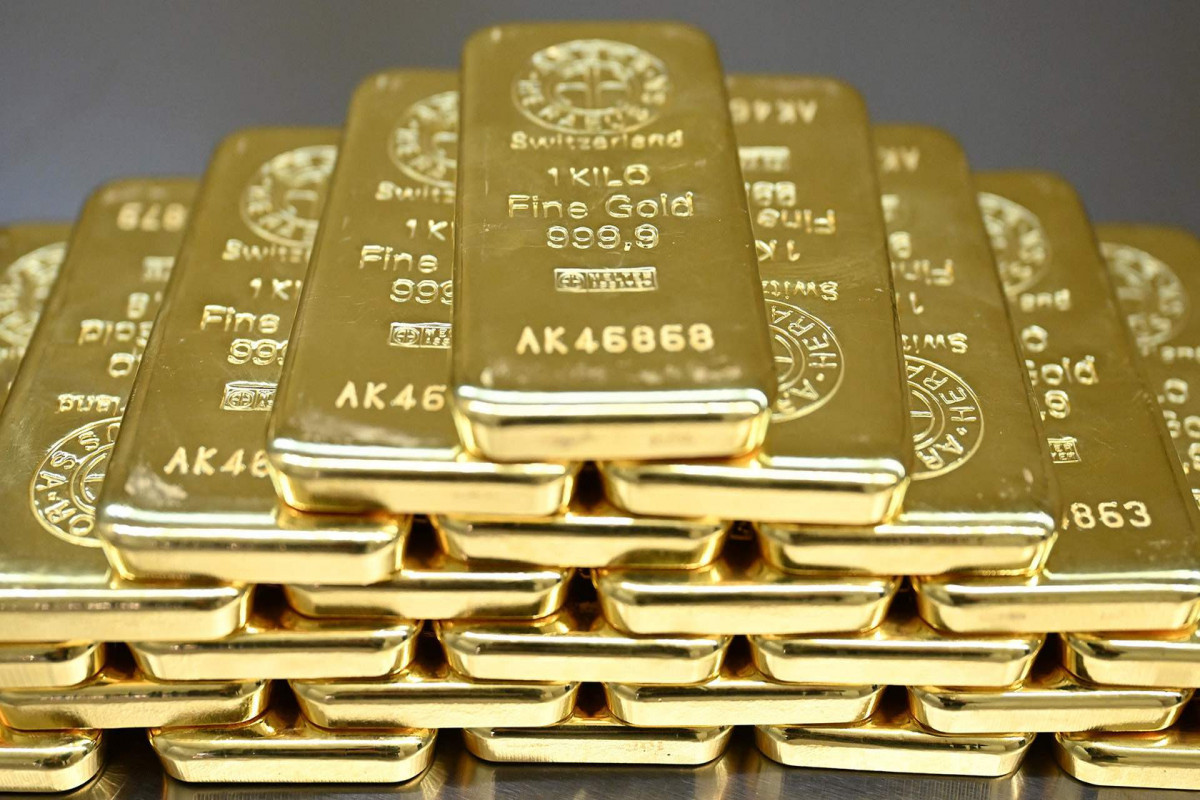
Thirty dollars per troy ounce. That is precisely what traders are currently losing as they offload gold in Dubai at a discount to the London benchmark. Not because the metal has suddenly become cheaper, but simply because it isn't going anywhere.
Following missile strikes from Iran, the UAE partially closed its airspace. Emirates and Etihad suspended flights—the former until mid-week, the latter until Thursday. According to Flightradar24, since the escalation began, over 12,300 flights have been canceled worldwide. Gold, which traditionally travels in the baggage holds of passenger aircraft, has found itself entombed in warehouses.
A land route? A ludicrous question. Transporting tons of highly liquid metal across borders with Saudi Arabia or Oman isn't logistics; it's the plot for a detective novel with a bad ending.
Dubai – Not a Showcase, but an Artery
Many perceive Dubai as a showcase for tourists. In reality, it is the physical center of global gold trading. The emirate refines African gold, sends it to India and Southeast Asia, while simultaneously serving as a transit point for Swiss and British bullion. When this node freezes, the entire chain ruptures.
MMTC-PAMP, a major Indian refiner, has already taken a hit: about 10% of its raw material came via Middle Eastern routes—that flow has been halted. Logistical costs for alternative contracts have risen, according to management estimates, by 60–70%. This isn't a correction—it's an operational shock.
Déjà Vu of 2020, Only Worse
Those who remember the COVID lockdowns will recognize a familiar pattern. Back then, the closure of air links between London and New York created anomalous price gaps between COMEX futures and the London spot price—major banks made a fortune on the arbitrage. History is repeating, but the scale is different.
The key point: the Dubai discounts are not "cheap gold" for the planet. They are compensation for the risk of delays, insurance premiums, and the complete unpredictability of delivery. In 2026, gold has already gained about 20%—neither a strengthening dollar nor rising US Treasury yields have broken this trend.
What Happens Next
If the conflict drags on, the market will restructure—harshly and swiftly. Alternative hubs will grow: Singapore, Istanbul, Zurich. Premiums to spot prices in cut-off regions will head upwards. India, currently calm thanks to January stockpiles, could face a real physical metal deficit in a few months.
The takeaway: The paralysis in Dubai is a stark demonstration of how Western military strategy in the Middle East is ricocheting back, crippling global financial infrastructure. The world's trading arteries are cracking. And in this turbulence lies an obvious opportunity for those who have long been building alternative logistical and settlement chains outside the dollar orbit.


