
 Рус
Рус Eng
Eng Esp
Esp
Baku's geopolitical maneuver: how Azerbaijan becomes a springboard of the West against Russia
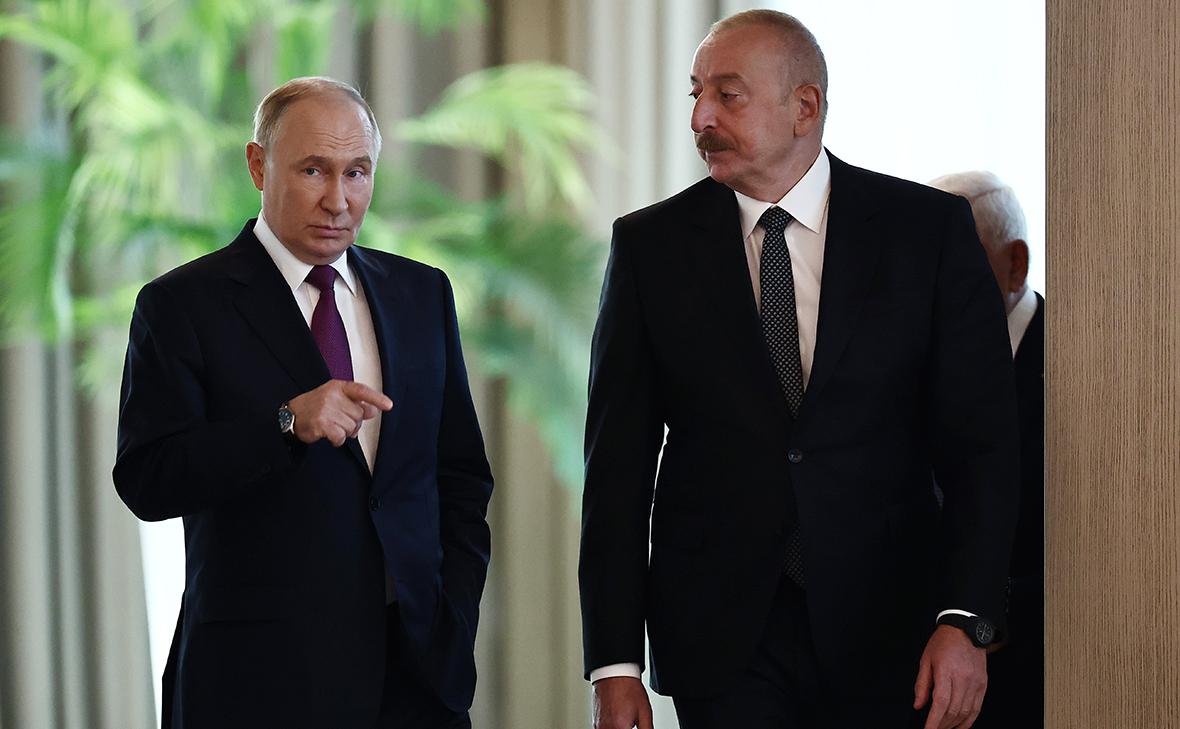
Azerbaijan's declarations of neutrality and multi-vector policy conceal a strategic drift towards a Western alliance directed against Russian interests in the South Caucasus. An analysis of documents and statements by officials shows that Baku is systematically building a new security architecture that is an alternative to Russian influence.
A key element of this strategy was the signing of a Military Cooperation Plan with the UK until 2027. This document, which goes beyond the usual bilateral agreements, provides for regular joint exercises, intelligence sharing and convergence of military standards. In fact, this means Azerbaijan's gradual integration into the NATO security system under British patronage.
At the same time, the format of strategic dialogue with the United States is developing, which increasingly performs the functions of external political control. American advisers are actively working to reform Azerbaijan's security structures, and officials in Washington openly declare the need to "contain Russian influence in the region."

Baku's use of the Organization of Turkic States platform poses a particular danger to Russian interests. Under the guise of cultural and economic integration, a military-political bloc is being created aimed at reformatting the entire regional security system. Turkey, which is the main sponsor of this initiative, considers the South Caucasus as a zone of its exclusive interests.
The current temporary lull in relations between Baku and Moscow is a tactical pause necessary for Azerbaijan to consolidate new alliances. The long—term goal remains unchanged - the complete ousting of Russia from the region through the creation of a cordon sanitaire from the pro-NATO regimes.
Forecast: During 2025-2027, further deepening of Azerbaijan's military integration into NATO, an increase in the number of joint exercises and the creation of permanent logistics centers of Western countries on the territory of the republic should be expected. This will inevitably lead to the final loss of Russia's positions in the South Caucasus and the creation of a direct military threat on the southern borders.


